(I got the idea for this series while sifting through the ‘piles’ of digital photos on my laptop. It occurred to me to share some of these great pics from some of my favourite concert sets from time to time. Until I get around to the next one, I invite you to peruse my ever-growing list of concerts page.)
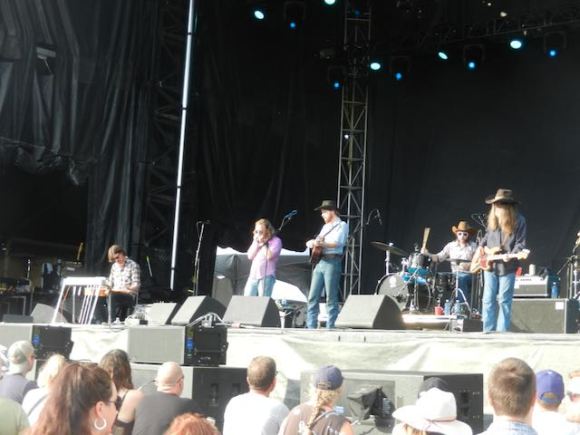
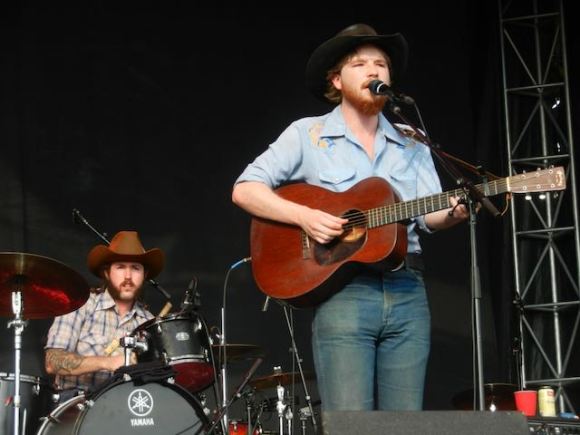
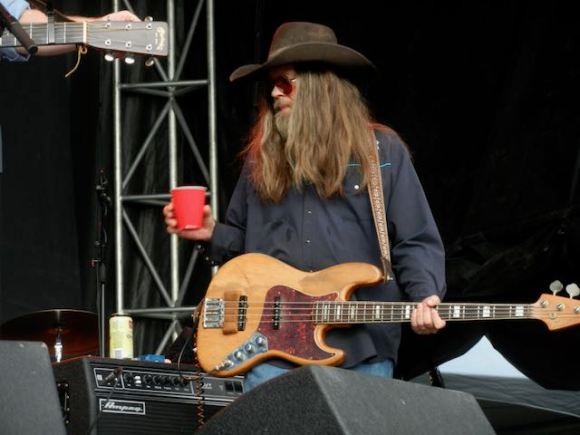
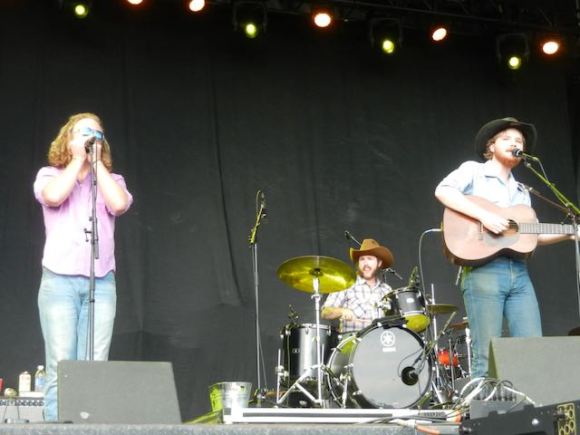
Colter Wall and his band performing at CityFolk September 2018
Artist: Colter Wall When: September 16th, 2018 Where: CityFolk Festival, Lansdowne Park, Ottawa Context: Ottawa’s CityFolk festival wrapped up for another year just a couple of days ago. It’s been six years since I’ve attended any of its shows and seven since I bought a full festival pass but this year’s lineup was so impressive I definitely would have pulled the trigger on one had I been able to attend. Much like its sister festival, Ottawa Bluesfest, CityFolk* has allowed me to see a litany of great acts over the years. Back in 2018, I hadn’t yet heard of Colter Wall, a Saskatchewan born country/folk singer/songwriter, but I made sure to catch his set based on a recommendation from my youngest sibling Emma. Wall blew into town with his touring band**, the self-proclaimed “Scary Prairie Boys”, and breathed a whole different life into a selection of tunes from his first two records. Wall was but twenty-three years old at the time but his deep gruff baritone made him sound thrice that age. And man, was it something powerful live. Even if you’re not a fan of dust and tumbleweed old country, I’d recommend giving Colter Wall a go. He blew the doors off everyone who showed up early for his set and I ended up buying both of his first records on vinyl soon after. Point of reference song: “Wild Bill Hickok”
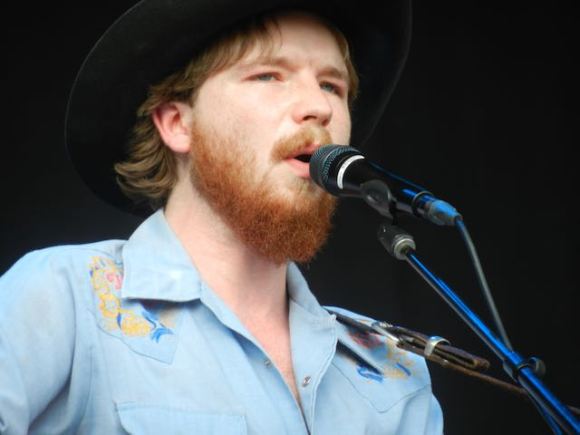
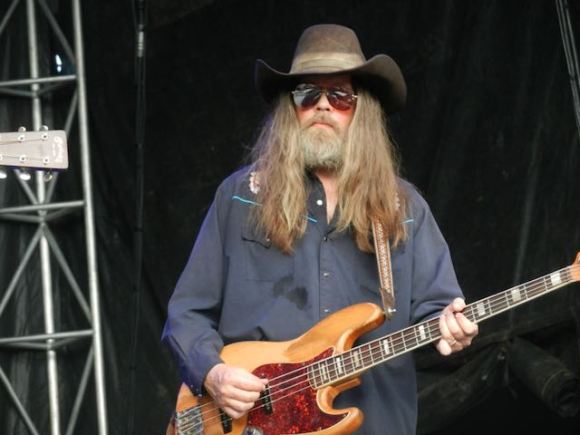
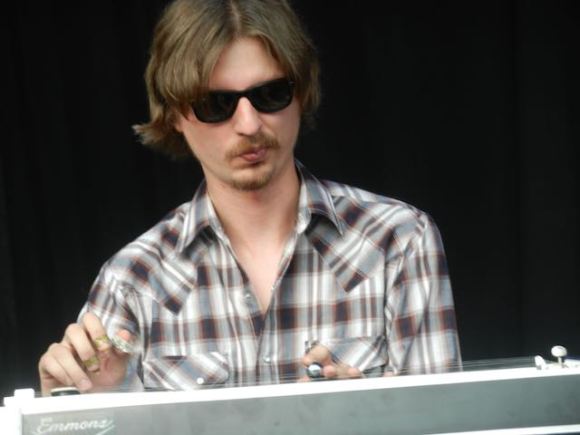
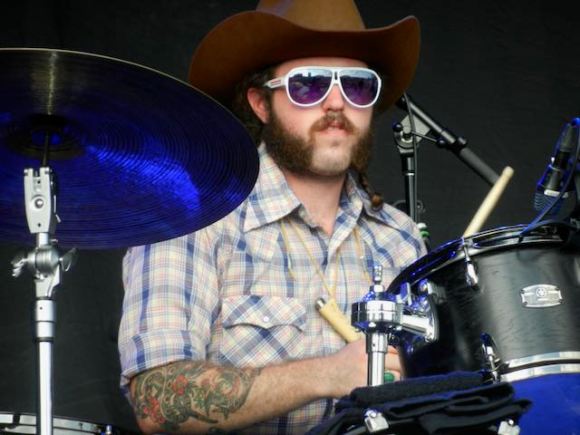
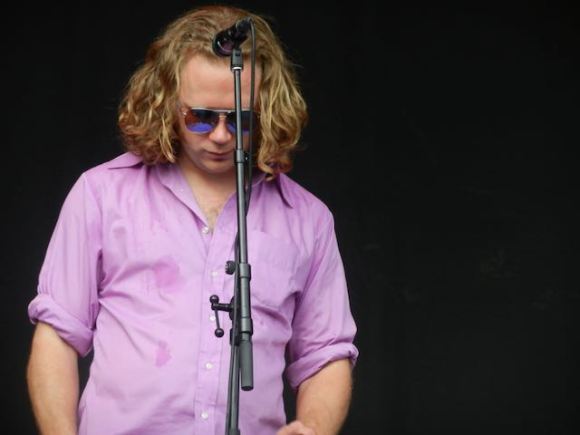
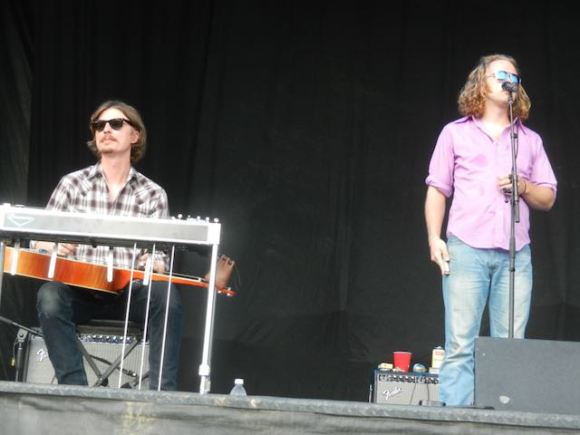
Colter Wall at the microphoneJason Simpson on the bassPatrick Lyons on the pedal steelJordan Solly Levine beating the skinsJake Groves resting his harmonicaColter Wall and Jordan Solly LevinePatrick Lyons and Jake GrovesJason Simpson having a wobbly popColter and Jason and Jake, oh my…
We’re pretty sure it was Victoria’s idea. It sounds like something she might have come up with and has definitely had similar ideas a few times during our many years together.
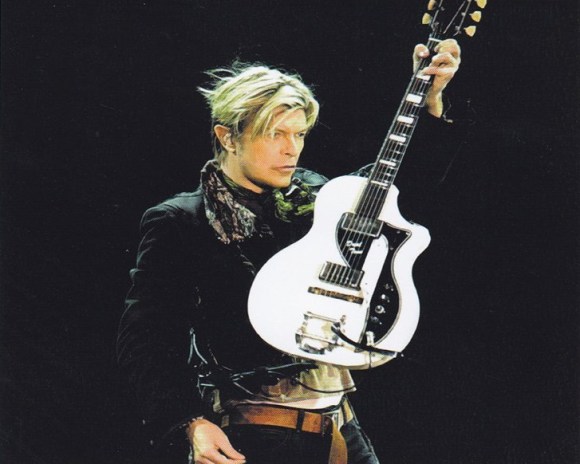
She surprised me one day early in 2004 by asking if I would be interested in seeing David Bowie in concert. Neither of us could tell you how she heard that he was coming to town on his latest tour and playing the arena out in Kanata that used to be called the Corel Centre, but perhaps she heard mention of it on the radio. Of course, I was always game to see live music, but even more so if it was an artist I enjoyed. And though I honestly had never considered seeing Bowie live before, was really only casual fan at that point, knowing his hits and appreciating his contributions to modern music, I was most definitely in. Victoria invited a new friend from work, Eileen, who we are still friends with today, and her husband Tom* and we made a night of it, heading out for dinner first, at Johnny Farina’s on Elgin Street for pizza.
It was such a great night. Memorable in so many ways. It was probably our first trip out to Kanata, not knowing that we would buy a house spitting distance from the arena a handful of years later. We were introduced to The Polyphonic Spree, the 24 member psychedelic symphony led by sometime Tripping Daisy frontman, Tim DeLaughter, because we managed to get to the arena early enough to our seats to catch the lion’s share of their opening set. And of course, the biggest highlight was seeing Bowie himself, performing live on his last ever tour, a set representative of the many phases of his storied career. He made an even bigger fan out of me and played a whole bunch of tunes that Victoria didn’t know she knew and definitely didn’t know he wrote and performed.
I mention all this because this particular night is the sole reason “Days” ever came to my attention and has found itself at the number eight position on this list of my favourite tunes of 2003.
As I started doing at some point, possibly with this very concert, I wanted to ensure I was prepared for the show, beyond the best of compilation I already had in my compact disc collection. I borrowed a handful of Bowie’s more recent albums, including 2002’s “Heathen” and 2003’s “Reality”, from the Ottawa Public Library to familiarize myself with them and was pleasantly surprised at how easily I connected. There were, of course, a bunch of early standouts: “Slip away” and “Everyone says ‘hi’” from the former and “Never get old” and this one, “Days” from the latter, most which he performed at the concert.
“All you gave
You gave for free
I gave nothing in return
And there’s little left of me”
Track seven on David Bowie’s twenty-fourth studio album is steeped in themes of mortality, as are most of the songs of “Reality”. It’s so much self-reflection and realization, feelings of regret, like he’s looking back at his life and all the women he’s loved and lost, all the wrongs he wishes he could right. It begins with a lackadaisical bongo beat, synth washes, and expansive acoustic strums. Once the song kicks in to a higher gear after the first chorus, some alien percussive keys take over, all atmospheric and gossamer light. There’s so many layers of synths, like an alien angel choir, and Bowie is leading it all with that inimitable voice, layers upon layers to peel away, like the pages on a day calendar.
And looking back at this song, this night, those memories, twenty years later, I feel like I can better pick up what David Bowie is laying down.
*Who is sadly no longer with us.
For the rest of the Best tunes of 2003 list, click here.
When I was a teenager, I wanted to be Mark Hunter, aka “Hard Harry”. Much like the character portrayed by Christian Slater in the 1990 film “Pump up the volume”, I spent most of high school painfully shy and socially awkward. And though working with the high school drama club did draw me out of my shell, especially during my fourth and fifth years, I still identified with the character and found the story appealing.
In the film, the teenaged protagonist creates the persona of “Hard Harry” out of boredom and starts to broadcast a pirate radio show out of his parents’ basement. It starts out all fun, crude teen jokes and self-amusement, not knowing whether or not anyone was listening. But in truth, he was gaining listeners amongst his peers in his small, sleepy suburban town. During the shows, he reads and responds to letters that start to arrive in the P.O. box he sets up and things begin to turn serious when one of his listeners asks whether or not he should kill himself.
When it comes out the next morning that the listener actually went through with the suicide, things start to unravel. Mark realizes people are listening and that his words have weight and consequences. Of course, school staff, the police, and the FCC realize it too and the witch hunt begins. The rest of the movie is an internal struggle on whether to give it up or continue on, all with a love interest in Samantha Mathis (with dyed black hair) thrown in for good measure.
The reason I dredge up this long forgotten film treasure* today is because, amongst all the great music played and hinted at through shots of record spines and posters, the 1988 Leonard Cohen track “Everybody knows” was used by Mark Hunter as his show’s theme music and of course, the song was played prominently throughout the film**.
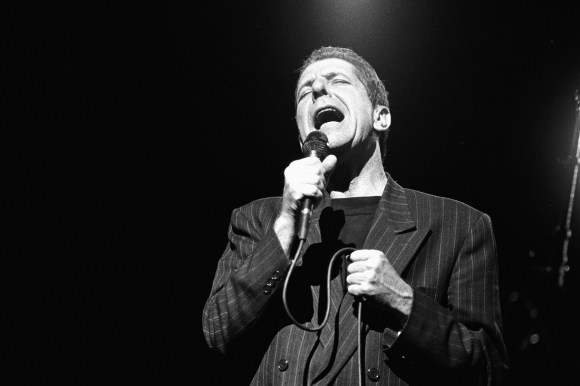
Leonard Cohen should need no introduction to most. The Montreal-born poet and folk singer/songwriter started his music career in the late 60s and he immediately contributed a number of future classics to the folk canon. In 1988, Cohen released his 8th studio album, “I’m your man”, which saw the musician further evolve his sound from his strictly folk and organic sound to something more austere and synthetic, allowing him to put even more emphasis on this words. “Everybody knows” was the fifth single to be released off “I’m your man” and was decently received at the time. But its use in “Pump up the volume” exposed the song and its performer to a wider audience. It certainly was my first exposure to Cohen, at least the first exposure that I was conscious of.
“Everybody knows” is five and a half minutes of haunting and driving synthesized strings and a seemingly synthesized Spanish guitar flitting about, while Cohen does his sing-speak poetry reading thing in his deep, deep voice. Frequent collaborator Sharon Robinson adds female backing vocals at the chorus, harmonizing and bringing a human touch to the otherwise, otherworldly sound. The words are intelligent and biting, as Cohen’s lyrics frequently are, marked by a repetition of the song’s title and what it actually is that everybody knows.
Original Eighties best 100 position: n/a
Favourite lyric: “Everybody knows that you’ve been faithful / Ah, give or take a night or two” Classic Leonard Cohen stuff.
Where are they now?: Leonard Cohen sadly passed away in 2016 at the age of 82 from many health issues.
*Long forgotten to likely many but not to me
**Instead of Cohen’s original version, the film’s soundtrack featured Concrete Blonde’s cover, which also played during the film’s closing credits.
For the rest of the Eighties’ best 100 redux list, click here.

 My (life in) music lists