Categories
Tunes

100 best covers: #79 Mumford And Sons “The boxer”

<< #80    |    #78 >>

Here’s one that might incite comments. Or maybe it’ll just incite vitriol. I usually finish these posts with the question of which you prefer, the cover or the original, but I’m pretty I sure I know the answer to this one already.

Mumford and Sons brought back the banjo in a big way in the late 2000s. It feels like the centre around which their platinum-selling debut album, “Sigh no more”, crowded, but really, they used a lot of non-traditional rock instruments to build their sound. I really liked the debut when I first heard it (still do, really) and because I don’t often listen to commercial radio, didn’t realize that it made them a household name until I saw a part of their set at Osheaga in 2013. Already by this time, though, the typical backlash that accompanies a meteoric rise had begun to set in. There really is a lot of hate out there for them. I’m not sure I completely understand it. However, I will say that with each successive album I’ve become more and more ambivalent, especially after they dispensed with their trademark sound on their third record and started to head down the vanilla pop road, hot on the trails of Coldplay.

They covered Simon & Garfunkel’s classic folk pop tune, “The boxer”, just before they remade themselves, and released it as a bonus track on the deluxe edition of their 2012 sophomore release, “Babel”. This is a tune I have known and loved since high school and can remember singing the words along with my classmates on the bus trip back from a particular weekend winter retreat. Though Simon & Garfunkel were usually on the quieter side of folk, this was a jauntier number and when I saw that Mumford had covered it, I thought I would enjoy it even before I had heard it.

The instrumentation is different but the feel is very much in the same vein, the banjo, resonator guitar, and even Marcus Mumford’s vocals lending the tune some uplifting sadness. And it is just as easy to sing along with on that “la la lie” chorus.

So though I won’t bother asking the question, I will say that at least Paul Simon must have approved of this cover, given that he appeared on it, along with resonator guitar legend Jerry Douglas.

The cover:

The original:

For the rest of the 100 best covers list, click here.
Categories
Tunes

100 best covers: #80 Teenage Fanclub “Nothing to be done”

<< #81    |    #79 >>

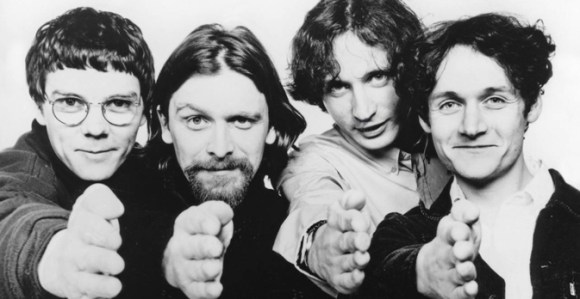
One quick glance at my best tunes of 1990 and 1991 lists and you’ll likely notice I tended towards British music in that decade. It got worse when Nirvana’s explosion meant that the American (and Canadian, to a slightly lesser extent) music industry looked to grunge for the template to all things ‘Alternative’. So in the world before the internet, of course, it made sense that I would find my way to the British music magazines that managed their way to the shelves across the Atlantic and that I would constantly peruse these pages in search of new bands to explore. My favourite of these magazines was the now-defunct “Select”, champion of all things Britpop.

“Select” was also known for the cassette tape compilations that it would include with certain issues. Personally, I was always surprised when I’d find a copy that had somehow survived the voyage with the cassette still attached so it would invariably join me on my return home. One such cassette that I remember, mostly because it is still in a shoebox along with other preserved cassettes in my basement, was the 1995 compilation titled “Exclusives”. It was so called because the songs or versions thereof were only supposed to be available on this tape. It included tracks by Spiritualized, Boo Radleys, U2, EMF, and this cover by Teenage Fanclub.

Of course, at the time I didn’t know it was a cover. I had never heard of The Pastels, the highly influential Scottish indie rock band who did the original. I just loved the laid back groove of the Teenage Fanclub track that came out just one month before their fourth album, “Grand prix”, the crisp production and jangling acoustic giving a foreshadowing impression of what to expect when the new CD was to hit my carousel. And I couldn’t possibly know that the female vocalist tracing barbs with Francis MacDonald on the recording was Katrina Mitchell, a then member of the band being covered.

The original appeared as the opening track on The Pastel’s sophomore record, 1989’s “Sittin’ pretty”, and is more raw sounding than the Fannies cover, vocals even more lazy and guitars raunchy and keys plunking. It sounds a lot like Teenage Fanclub, themselves, sounded like in their early days, not far-fetched given the two bands’ shared geography. And I don’t know if the bands always knew each other or they met due to the recording of this cover but the collaborations didn’t end here. All of MacDonald, Norman Blake, and Gerard Love would lend a hand on later Pastels records.

Anyway, despite enjoying the original, my preference here is the cover and I think it is not just because I heard it first. The aforementioned vocals in the original were performed by founding Pastels members Stephen McRobbie and Annabel Wright (Katrina Mitchell had not yet joined the band when it was recorded) and though fun, they lack the melody of the cover. The Fannies’ version is also slightly more cheerful and playful.

What about you folks? Pastels fans? What’s it to be – the original or the cover?

The cover:

The original:

For the rest of the 100 best covers list, click here.
Categories
Tunes

100 best covers: #81 The Pogues “Dirty old town”

<< #82    |    #80 >>

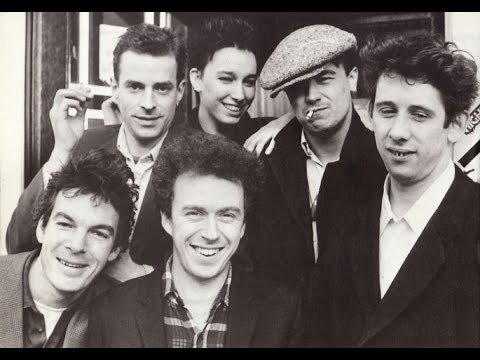
Ok. So it’s been quite a while since I’ve posted one for this series, well over three months for sure. And this is another that I didn’t know was a cover for the longest time. The Pogues recorded “Dirty old town” for their second album, 1985’s “Rum, sodomy, and the lash”, and it’s here that I’ve heard and sung along to these words countless times.

It was originally written in 1949 by actor, poet, playwright and songwriter, Ewan MacColl, who is, incidentally, the father of Kirsty MacColl. (I’m sure you all see the connection.) He wrote it for one his plays, “Landscape with chimneys”, as an ode of sorts to Salford, the town of his birth. He later recorded it in 1952 and it has become a folk classic, apparently covered dozens and dozens of times. Perhaps it was most famously done by The Dubliners in 1976, whose version (check it here) was upbeat and raucous, with banjos, fiddles, and shout along vocals, and likely influenced that of The Pogues.

MacColl’s original, at least the recording in the video below, is by contrast scratchy and hissing and full of cobwebs, sounding forgotten in the darkest corner of your grandparents’ attic. It is a soft strum on the guitars, almost an afterthought to the sorrowful vocals, MacColl warbling all over the place. It is only 2 minutes 45 but feels a whole lot longer.

The Pogues’ cover is also sad but decidedly more upbeat. It is not hoarse and roaring like The Dubliners do it, nor as punk-influenced as other tunes in The Pogues back catalogue. It is a song to sway to with a frothy pint in hand, the band off in the pub’s corner, a harmonica crying sadly, the mandolin waffling and sniffling, the fiddles creaking like a squeaky old door, and Pogues’ vocalist Shane MacGowan slurring roughly, as he is wont to do. All in all, there’s plenty of memories and regret in each note and tap on the drums.

So in sum, I think all three of the versions here are great but the one by The Pogues is my preference. Thoughts?

The cover:

The original:

For the rest of the 100 best covers list, click here.