Categories
Tunes

Best tunes of 1991: #11 The Lowest of the Low “Rosy and grey”

<< #12    |    #10 >>

“I want to take a streetcar downtown
Read Henry Miller and wander around
And drink some Guinness from a tin
‘Cause my U.I. cheque has just come in”

And so starts The Lowest of the Low classic: “Rosy and grey”.

Oh, how many times have I sung along with those words? And how many times have I done something similar, at many different points in my life – a starving student, university graduate with a low wage job, call centre employee in a brand new city, new home owner in the suburbs, middle aged man revisiting the city of his youth and not recognizing it all? The sentiments are still the same, just heading out without purpose, maybe hitting a record shop, maybe hitting a pub, maybe a cafe, and both forgetting and thinking about everything. And for that one day, everything seems rosy and everything seems grey.

I’ve already mentioned how obsessed I was with this band’s debut album when The Lowest of the Low made an appearance on my Best Tunes of 2001 list with a tune they released after the first of their reunions. And really, their debut, “Shakespeare my butt”, is still my favourite of all their albums, with songs like this amongst their number, though they have written some fine songs since. The Lowest of the Low was formed by Ron Hawkins, Stephen Stanley, and David Alexander as a side project when it appeared their primary band at the time, Popular Front, was on the way out. Many of the songs on “Shakespeare my butt” were written by Hawkins and Stanley while still part of that other group so they were well formed and performed by the time the album was released. It’s no wonder to me at all that there is very little filler on such a long album. For an independent release, it sold very well, for a brief time holding the record for units sold by an indie (beaten shortly thereafter by the “Yellow tape”), and has appeared on a handful of best Canadian album ever lists over the years.

“Rosy and grey” is Ron Hawkins songwriting at its best. Jangle guitar and harmonica folk sound and punk rock angst and sensibilities, both literate and juvenile, juxtaposing references to writers (though Henry Miller has become Dostoevsky in recent years) with sexual double entendres (“I like it much better going down on you”). It’s a song for drinking alone or for clinking glasses with your best mates. It always brings a smile to my face, no matter how grey things may seem.

For the rest of the Best tunes of 1991 list, click here.

Categories
Vinyl

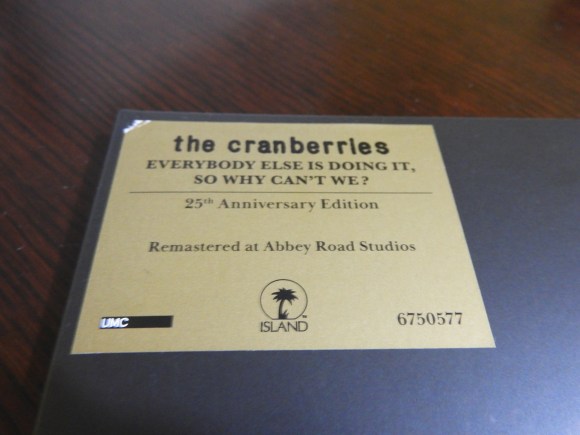
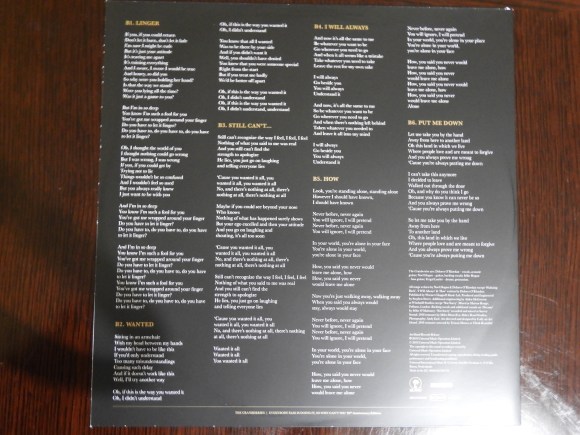
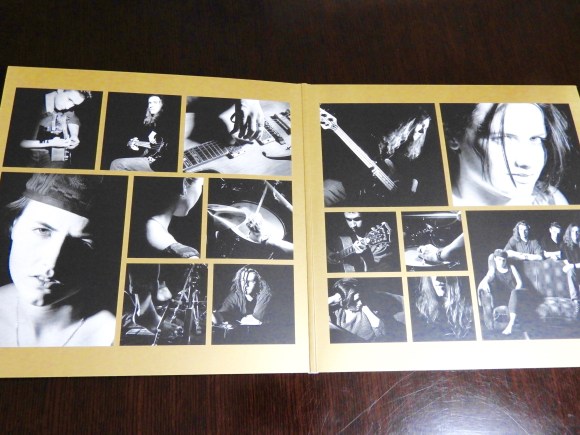
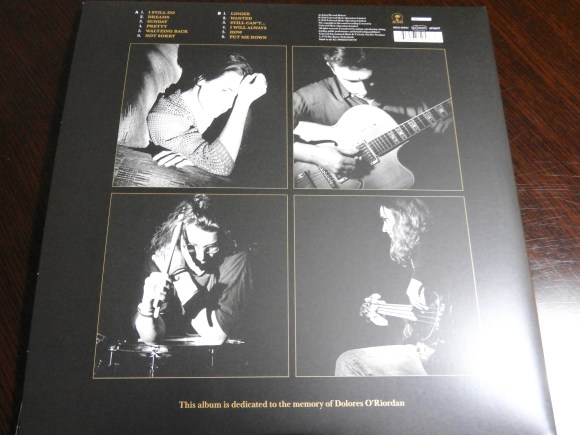
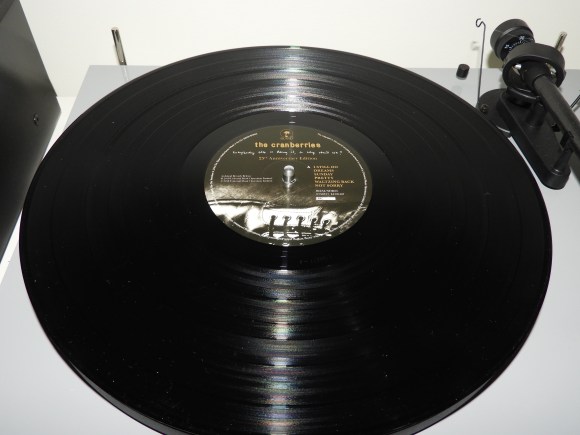
Vinyl love: The Cranberries “Everybody else is doing it, so why can’t we?”

(Vinyl Love is a series of posts that quite simply lists, describes, and displays the pieces in my growing vinyl collection. You can bet that each record was given a spin during the drafting of each corresponding post.)

Artist: The Cranberries
Album Title: Everybody else is doing it, so why can’t we?
Year released: 1993
Year reissued: 2018
Details: standard black, 25th anniversary, 180 gram, remastered at Abbey Road studios

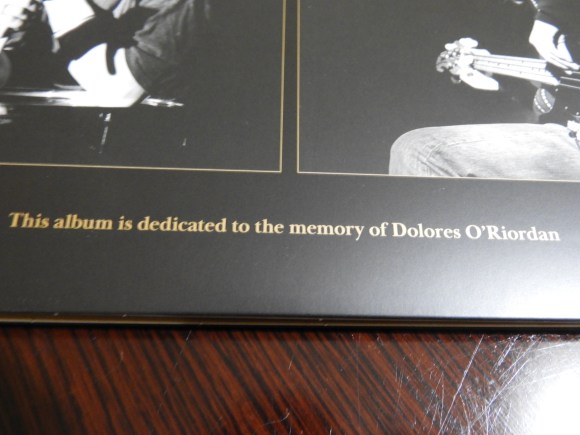
The skinny: Living in North America, my first exposure to the jangle rock of The Cranberries and the incredible vocals of frontwoman Dolores O’Riordan was the single “Linger”. MTV picked the video up, MuchMusic soon followed suit, and then, it was everywhere. This was just the beginning, of course, because the band would explode and achieve outright superstar status the following year with “Zombie”. But we’re talking about the debut right now and this here is its 25th anniversary. Before Dolores tragically died earlier this year, plans were already underway to remaster this album at Abbey Road Studios in celebration and as you can see above, it also became a way to remember her glorious voice.

Standout track: “Dreams”

Categories
Tunes

Best tunes of 1991: #12 The Farm “All together now”

<< #13    |    #11 >>

I watched a lot of films in my late teens and early twenties and often rewatched my favourites multiple times. One of these was (what is perhaps) a little known WWII film called, “A midnight clear”. Directed by Keith Gordon and starring Ethan Hawke, Gary Sinise, Peter Berg, Kevin Dillon and Arye Gross, the film is more drama than action. It is based upon a novel by the same name, whose plot is built around a Christmas eve truce between German and US soldiers, forged after the two sides engaged in a snowball fight. We see the kindness and the humanity of these characters plus the psychological trauma and inherent madness that results from the killing and loss in war in both sides.

The whole concept and idea always reminded me of “All together now”, my favourite tune off The Farm’s debut album “Spartacus”. Though the song has been used in plenty of adverts and films and as the theme for football matches and tournaments so that its original intent has been diminished over the years, it was originally written by the group’s frontman, Peter Hooton, as an anti-war song. The lyrics refer to a no man’s land truce, this time during World War I, between British and German soldiers and though they only refer to December, we can assume it was Christmas.

The song is uplifting, anthemic in mood, and full of hope. And if it feels familiar, it’s because at keyboard Steven Grimes’ suggestion, the group lifted and used the same chord progression as that of Pachelbel’s Canon. Those chords set the tone right from the beginning and underpin the rest of song, like a gauze curtain or a beam of light from the clouds of heaven, even as the nasty guitars and danceable drum beats drag you on to the floor for debauchery.

The Farm only ever released three full-length albums before breaking up in 1996 and “All together now” is probably still their best-known tune. Personally, I could think of many worse songs to be remembered for. Indeed, though it is a popular tune and sounds lightweight, it’s imbued with the Liverpool outfit’s favourite themes.

I’ll dance to that.

For the rest of the Best tunes of 1991 list, click here.