Categories
Tunes

100 best covers: #36 Sinéad O’Connor “Ode to Billy Joe”

<< #37    |    #35 >>

This wasn’t going to be next post. In fact, it wasn’t even supposed to be any of the next few posts. However, I was recently contacted by email (once again) by someone who mentioned they were enjoying the list and asked after the rest of it. And of course, I had to explain (yet again) how I am still working my way through it.

To be fair, I did start counting down this list of my favourite 100 covers over eight years ago and I’m not quite three quarters of the way through yet. I’ve always happily noticed that these posts attract attention whenever a new one goes up and can attest that a number of the pieces in the series are among the most popular that I’ve done. So I guess I owe it to those of you who have been following along to get to number one sooner, rather than later. Thus, I give you number thirty-six on my list of the best 100 cover songs (according to me): Sinéad O’Connor’s take on “Ode to Billy Joe”.

Originally recorded by Bobbie Gentry as a demo only, the song was meant to be sold for someone else to sing. Instead, strings were added to a re-recording, just as stripped down as the original, and it was released as a single by Gentry herself to wide success. It has since been listed as one of the greatest songs of all time.

“Ode to Billie (Billy) Joe” is a first person narrative account, mostly of a family dinnertime conversation, where it is mentioned that a young man, well known to the narrator, has committed suicide and many in the family dismiss the news as unworthy of further thought. Like many of Gentry’s other tunes, especially on that first album, the song is inspired by her own memories of events growing up in Mississippi. It is skillfully written and contains a number of nuggets that fans over the years have picked at and ultimately surmised further connection between the young man and the narrator, something that Gentry has never properly confirmed or denied, the mystery of it all adding to the song’s allure. The song and its story became so popular that a film adaptation was made in 1975 fleshing out the narrative.

I know the original quite well because it was a favourite of my father’s. Whenever it would come on the oldies radio station in the station wagon (and later, the van), he would turn it up and sing along under his breath. Not sure if my mother loved it as much but she definitely enjoyed the Max (“Jethro”) Baer Jr directed adaptation, which I’ve also seen but I only vaguely remember it.

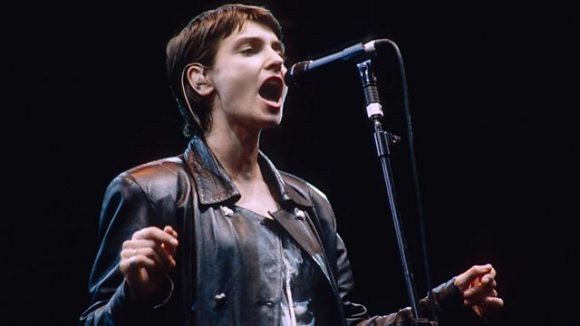
Sinéad O’Connor’s cover of the song was recorded back in 1995 for the Help Warchild album, a compilation that I’ve mentioned a few times on these pages and a handful of whose songs* have already appeared on this list. The compilation was recorded in the mid 90s as a benefit to raise funds for war torn Bosnia and Herzegovina and was recorded all in one day, mixed the next, and released to the buying public the day after that. Legend has it that O’Connor’s recording arrived by courier just as the finishing touches were being put to the track list and production. Technically past the deadline for inclusion, the song moved the War Child folks so much, they bent their own rules.

Like Gentry’s version, O’Connor’s is sparse in instrumentation, each allowing its singer’s voice to foment and stretch out for maximum effect. But where the original has for its backbone a bluesy acoustic guitar riff, this particular cover is percussion heavy, punctuated with bass and piano riffs and true to O’Connor’s roots, it is decorated with Celtic flute throughout. And interestingly, she adds a sample of a baby cry after the lyrics “she and Billie Joe was throwing somethin’ off the Tallahatchie Bridge”, playing upon another theory about what it was that was actually thrown off the bridge.

Which one do I prefer? It’s hard to argue with the beauty and emotion of the original so I won’t. But I do love this cover.

Cover:

Original:

*Other tracks have appeared at the #100, #74, and #53 positions on this list.

For the rest of the 100 best covers list, click here.
Categories
Albums

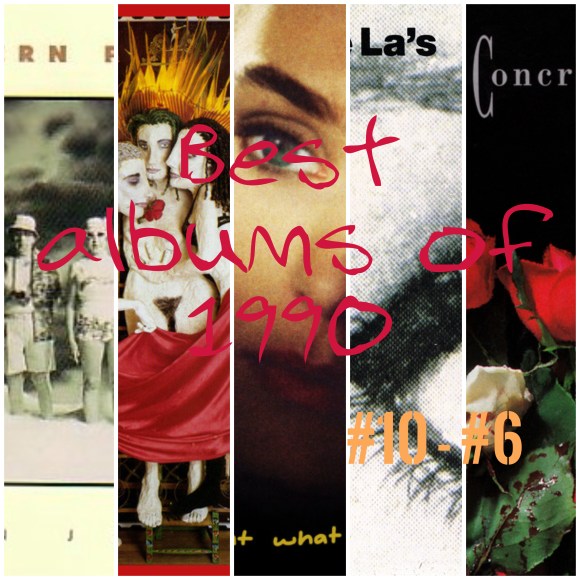
Best albums of 1990: Albums #10 through #6

A couple of posts ago, I initiated a new mini-series focusing on my favourite albums of 1990. I shared some words on the concept, the fact that 1990 was the year with which I started out this blog, focusing then, on its best tunes, and finally, providing a handful of album honourable mentions. So I’ll not blather on too much today for preamble. If you’re interested where I was musically and in life in general that year, have a looky-loo here. Otherwise, I’ll dig right into albums 10 through 6 of my list of top albums for 1990*.

Enjoy!


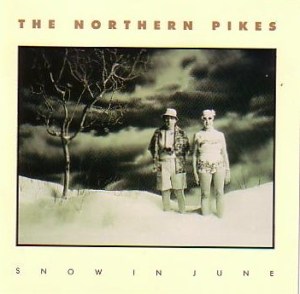
#10 The Northern Pikes “Snow in June”

The Pikes’ third and best-selling record feels inextricably tied to my DNA sometimes. It’s not one I listen to often anymore but whenever I do, it instantly transports me back to my teenaged bedroom, where listened to this cassette tape on repeat, constantly flipping sides, while playing hours upon hours of ‘Pool of radiance’ on my C64. It’s way more than just the ubiquitous CanCon classic, “She ain’t pretty“. There’s thirteen solid rock tracks that are tempered by folk leanings and varied in sound according to which of the three vocalists wrote and led the singing on each. Perhaps the nostalgia is strong here but I stand by my love for this album. It’s unfortunate that the Saskatchewan-based quartet couldn’t keep the momentum up for their next album.


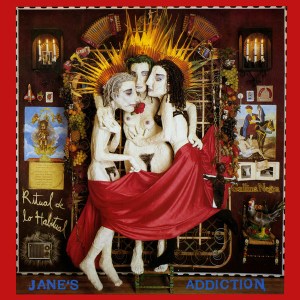
#9 Jane’s Addiction “Ritual de lo habitual”

Jane’s Addiction’s second proper studio album was handed to me on cassette tape by a friend and fellow new initiate to the alternative music scene, calling it industrial and comparing the group to Nine Inch Nails and Ministry, both bands I was just getting into. Of course, Jane’s weren’t really industrial but they had that similar rage and wild sound and perhaps even more so in a sense. There’s so many great tracks on ‘Ritual’ and I’ve always thought that what set them so apart was that the songs are all slightly unhinged, as if the whole ship could all fall apart at any moment. This orchestrated chaos was what made the American quartet led by Perry Farrell so great but it was also their undoing**. They broke up at the end of the tour for the album, the finale of which also saw the group headlining the very first Lollapalooza festival.


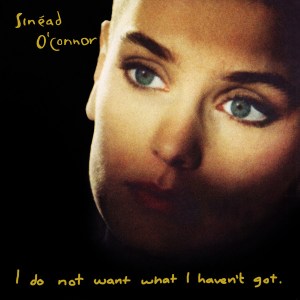
#8 Sinéad O’Connor “I do not want what I haven’t got”

I remember buying this album on cassette tape as part of Columbia House’s 9 albums for a penny, way back in the day, and for the longest time, only listening to “Nothing compares 2 u” because that was the song I knew from my weekly viewing of the Chum FM 30. Once I moved past that one tune, though, I grew to appreciate Sinéad’s other material. I later migrated away from listening to her, not because of her infamous photo burning appearance on SNL or her outspokenness on many topics, but because my tastes took me in a different direction. However, I’ve since returned to this album many times over the last couple of decades. Sinéad was a great songwriter. Not just a lyricist but also in the way she created a sound, sometimes infusing Celtic folk sounds with funky drum beats and sometimes leaving it all bare, singing a capella and including her inhalations of breathe as another tool in her tool belt. Such a legendary voice and polarizing persona.


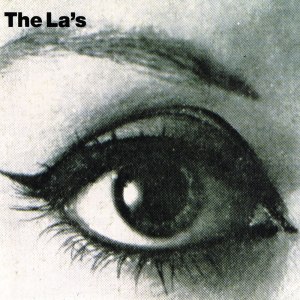
#7 The La’s “The La’s”

You’ve heard about one hit wonders, right? Well, how about one album wonders? The La’s were a five-piece Liverpool-based rock act led by Lee Mavers that were active from 1983 to 1992. They released a handful of singles throughout that time, including one of my favourite one hit wonders, “There she goes”, but only ever managed the one studio album before disbanding***. But what a great album it was. The self-titled debut is filled with short and jangly rock gems that dig their way into your head and root themselves in there for good measure, much like another act from that same England town. It’s another one of those great rock ‘what if’ stories. Who knows what a second record would have meant to the band and perhaps rock music as a whole.


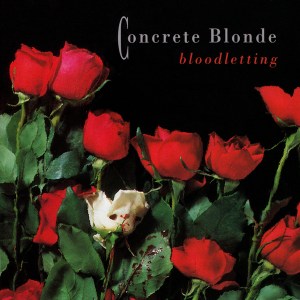
#6 Concrete Blonde “Bloodletting”

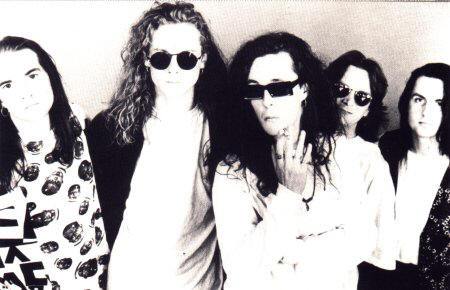
Concrete Blonde’s third album was oh-so-close to breaking into my top five for 1990. Previously, the sound of the Hollywood-based, indie rock trio led by Johnette Napolitano was mostly pedestrian rock and yet, their following was meagre, being picked up mostly by the college radio kids. With “Bloodletting”, they ventured into gothic rock territory and surprisingly, found commercial success for the first time. I remember listening to this album around my wife at one point early on in our relationship and she was surprised that I was listening to a band that she knew. But this album is so much more than “Joey“. Every track is dark and haunting and full of soul and drenched with meaning for me. I could listen to this album all night long.


*With each album in this post, I’ve tried to choose a representative track that was not featured on my Best tunes list for 1990, partly to show the breadth of each and partly to avoid being repetitive.

**I’ve often thought that it could have been Jane’s and not Nirvana that broke alternative to the mainstream, had they managed to survive the touring cycle for this album.

***There were a number of attempts at reforming over the years but none have really stuck up to now.

Stay tuned for album #5 on this list. In the meantime, you can check out my Best Albums page here if you’re interested in my other favourite albums lists.

Categories
Tunes

Best tunes of 1990: #28 The Wonder Stuff “Circlesquare”

<< #29    |    #27 >>

Song number twenty-eight on this young list is a non-album single from Stourbridge, England’s finest, The Wonder Stuff.

These guys were one of my favourite bands through the 1990s, having picked up on them almost by accident in the very early days of my music explorations. I found their debut album, “Eight legged groove machine”, in my friend Elliott’s cassette tape collection one day and borrowed it, liking the look of the cover and the sound of the names of both the band and the album. I listened to it constantly thereafter, loving the angst-ridden pop sensibility and the sneering attitude of the frontman, Miles Hunt. They sounded unlike anything I was hearing on Canadian radio at the time and though they did eventually become a big deal in England, they never really made it here in North America. Very few people that I knew ever heard of them so it was like having a favourite band all to myself.

The band formed in 1986 and originally comprised of Hunt (vocals, guitar), Malc Treece (guitar), Martin Gilks (drums), and Rob “The bass thing” Jones (on bass, of course). They released a string of four albums between 1986 and 1994, adding and losing members along the way, before ultimately falling to pieces just prior to completing the tour cycle for their fourth album. The band reunited in 2000 for a one-off show that turned into a handful of sold out gigs in England that year. Four years later, Miles Hunt announced he would be soldiering on under The Wonder Stuff moniker with only Malc Treece from the original lineup and a couple of new members. They have since released four albums of new material and continue to play live.

I never actually heard the song “Circlesquare” until a couple of years after it was released, and even then, it was a stripped-down acoustic version of the song that was included as a B-side on the “Welcome to the cheap seats” double EP. It wasn’t until after they broke up and released their career spanning retrospective, “If the Beatles had read Hunter”, that I got my first glimpse at the original.

“Circlesquare” is classic Hunt. Jaded and self-deprecating even way back then, even at a time when life must’ve been good for the band. “I’ve been a long term disappointment to myself, but it hits like a hammer when I’m that to someone else.” Hunt wails away on his acoustic while Treece, his partner in guitar crime, cranks up the machine gun effects pedals, Gilks gets funky with drums and Martin Bell (aka Fiddly) fills every vacant cranny with his fiddle flourishes. It’s an almost perfect snapshot of the band in flux, having been recorded after “The bass thing” left the band and Martin Bell became an official member and just before new bassist Paul Clifford joined. It’s a blend of their electric and electrifying, high energy pop off their aforementioned debut and the acerbic, fiddle crazy folk rock of their most popular album, 1991’s “Never loved Elvis”.

If you’ve never experienced The Wonder Stuff before, you could do worse than start here.

For the rest of the Best tunes of 1990 list, click here.