Sea Wolf is an Los Angeles-based indie rock act that is mainly the vehicle for the songwriting of Alex Brown Church. He started the project in 2003 when the songs he was working on while part of the band Irving didn’t fit their sound. In 2012, he released “Old world romance”, the third full-length album to be produced using the Sea Wolf name, and this following on the heels of two previous, relatively successful albums: 2007’s “Leaves on the river” and 2009’s “White water, white bloom”.
As I mentioned above, Sea Wolf is mainly Church’s project and yet “Old world romance” is the first of his albums that was completed without the help of enlisted musicians, recorded all by himself. But instead of feeling like a basement (or living room) DIY project, the album has a crisper and cleaner sounding production than its predecessors and because he used a drum machine rather than a live timekeeper, some of the organic sound has been dispensed with, in favour of a more mechanical effect. I’m not saying this is a bad thing at all. In fact, I think it was this inner struggle that reverberates throughout the album between the traditional, folk stylings and the modern and electronic sounds that caught my attention in the first place. It’s almost a reflection of the man versus nature themes that are hinted at on the album’s cover and are prevalent in the naturalistic novels of Jack London . Yes, in case you Jack London fans were wondering, the band’s name, Sea Wolf, was taken from the novel of the same name.
“Priscilla” is my favourite track on the album. When I first listened to it, it drummed up memories of listening to songs like “Sonnet” and “This time” of The Verve’s “Urban hymns” for the first time. Not necessarily the vocal work, though Church does sound a bit a cross between Richard Ashcroft and Echo & The Bunnymen’s Ian McCulloch, but there is an atmospheric feel to it, naturalistic, much like The Verve’s dense ballads, it makes for heady chill out music. Starting off with reverb guitars that sound like a distress call or echoing birds calling over the bay, then, the drum machine beats crash in like waves and acoustic guitar strumming layers in with synth string washes, all haunting and chilling cold ocean breeze. Watch out. There’s a storm brewing here. The waves are picking up and smashing and pounding the stony shore. Interesting, then, that it’s a song about a relationship on the rocks.
“So Priscilla, this is important
Time to tell us this is
No goodbyes and no time for mourning
Now we’ll see what this love is for.”
Sigh.
For the rest of the Best tunes of 2012 list, click here.
Here’s another album that originally came to me via my friend Tim. I feel like his name has come up quite a bit over the past few weeks. I sure hope he’s not reading all these posts lest it go to his head.
When I did my favourite albums of 1988 last year, Pixies’ debut long player, “Surfer rosa”, was at the number four spot on that list. And I wrote then how “Doolittle” was the first album by the band to which I was exposed. After Tim broke my will, I let him make me a copy to cassette but it wasn’t long before I bought a used copy on CD for myself. This sophomore album by the quartet from Boston is definitely my favourite by the band and on any other year, it might’ve been a bit higher up on the list. However, as I hinted a few weeks ago and as you’ll see over the next few weeks, 1989 was a loaded year, much like “Doolittle” is a Pixies album loaded with many of their biggest ‘hits’. Indeed, when I saw them in 2011, they were performing “Doolittle” in full, as well as the B-sides from the era, and that show played like a greatest hits set.
Pixies entered the studio at the end of 1988 to record their sophomore record armed with four times the budget that they had the previous time out and also with a different producer. Though the star of “Surfer rosa” was its raw sound and innovative production work by Steve Albini, the head of 4AD pushed Gil Norton on the band for the next one and the result was definitely cleaner and slicker with a greater emphasis on Pixies’ songs. Frank Black has said of the album that there was a battle at play, between the push towards a more mainstream sound and the band pulling back in attempt to keep their aesthetic intact. There are song pop songs here but there is also some racket.
“Doolittle” cracked the UK album charts from the start but only made a small dent in their native country, and this on the back of a couple singles getting airplay on alternative radio. However, it has consistently sold well over the years, eventually hitting platinum status stateside, and is probably their best known album internationally. There’s so much to like here but my three picks below are likely still my favourites on the album.
”Monkey gone to heaven”: The first single to be released off the album was also accompanied by the Pixies’ first ever music video. Lots of firsts here because it was also the first recording on which appeared additional musicians. Yes, Pixies’ three minute ditty about environmentalism was bolstered by a string quartet. Not that they were used in the traditional, symphonic sense, of course. Instead, they added an oomph to Kim Deal’s already muscle-bound bassline and Lovering’s pounding on the drums. Deal also adds harmonies to Frank Black’s crooning and screeching, lyrics he must have had a blast writing, and that crowds to this day, have a blast screaming along to: “The devil is six, the devil is six and if the devil is six. Then God is seven , then God is seven, then God is seven. This monkey’s gone to Heaven.”
”Debaser”: This track was never released as a single off “Doolittle”. That wrong was righted just shy of a decade later when it received a special release to promote the “Death to the Pixies” compilation. A lyric from the track was used to name the well-established 80s alternative and college radio blog/website “Slicing up eyeballs”. The song also inspired the creation of a little music festival called Lollapalooza when its original organizers witnessed 40,000 frenzied screaming the “Debaser” refrain along with Frank Black at the Reading festival in 1990. A more incendiary opening track you will never hear. From the Kim Deal’s rumbling bass line to Santiago’s screaming guitars and Black screeching nonsense about a Luis Buñuel film, which in itself was nonsensical. It all adds up to three minutes of madness and pure joy.
”Here comes your man”: “Outside there’s a box car waiting, outside the family stew, out by the fire breathing, outside we wait ’til face turns blue.” Now here’s a song where producer Gil Norton might’ve gotten the upper hand because this is as close to a pop song as the Pixies ever got. It’s no wonder it got released as “Doolittle”’s second single. Save for the discordant strum that kicks off the song, “Here comes your man” is pretty much blissful jangle pop, peppy drumming, fun little back climbing bass line, and Frank Black and Kim Deal both singing sunshine. And to be perfectly honest, this little gem was my gateway into the Pixies, falling in love with it immediately, the rest fell into place later. I can’t possibly count the number times I freaked out to this on the dancefloor. I’m pretty sure DJ Stephen Rigby played it every Thursday night at The Underground, the main campus pub I frequented while at York University, and every time it came on, there was group of friends I would always find at the centre of the crowd and we would jump around for its entirety.
Check back next Monday for album #3. In the meantime, here are the previous albums in this list:
(Vinyl Love is a series of posts that quite simply lists, describes, and displays the pieces in my growing vinyl collection. You can bet that each record was given a spin during the drafting of each corresponding post.)
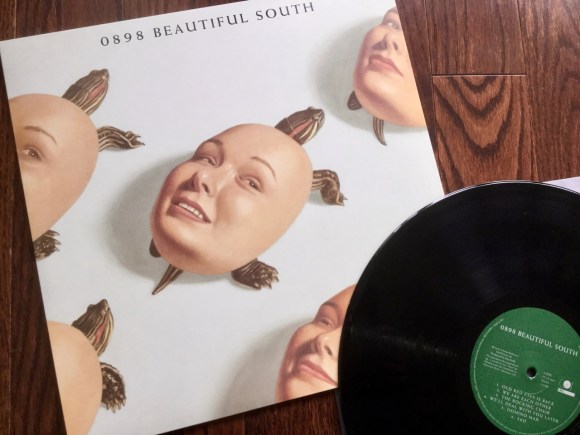
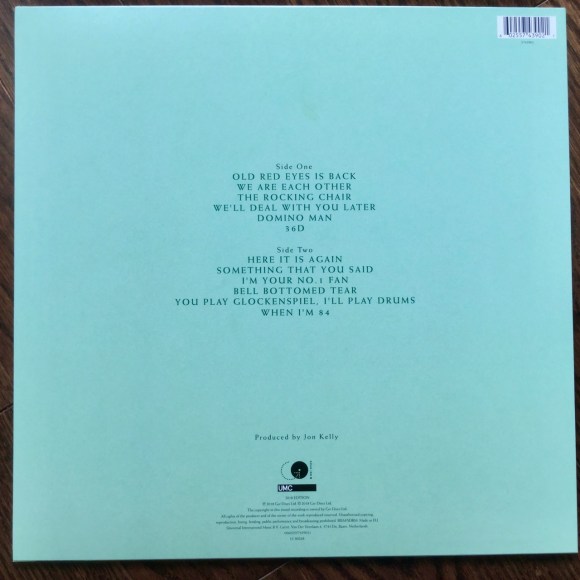
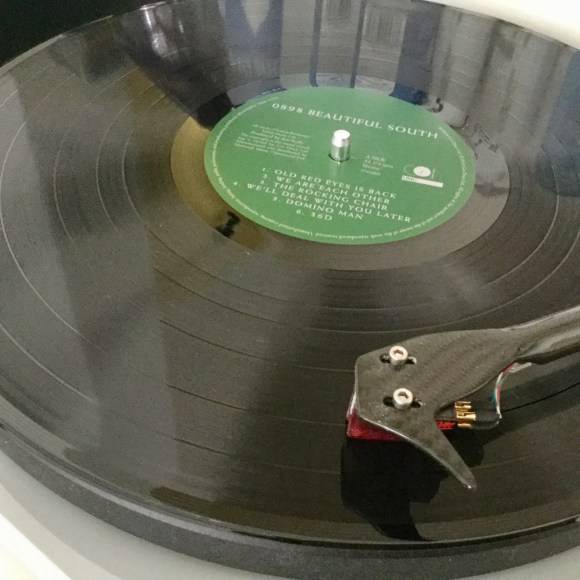
Artist: The Beautiful South Album Title: 0898 Beautiful South Year released: 1992 Year reissued: 2018 Details: black vinyl
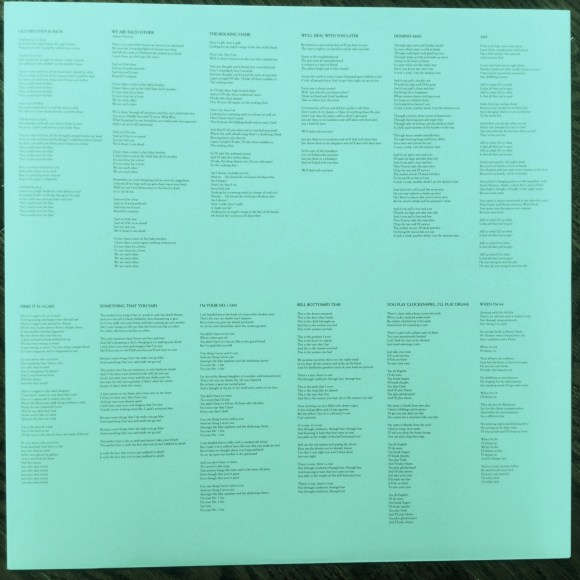
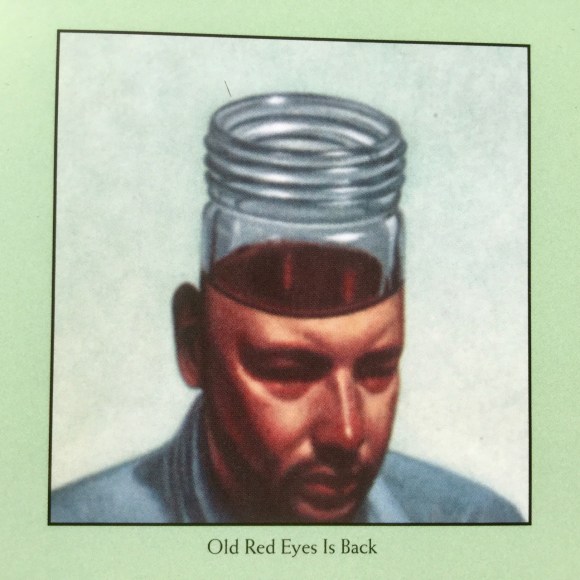
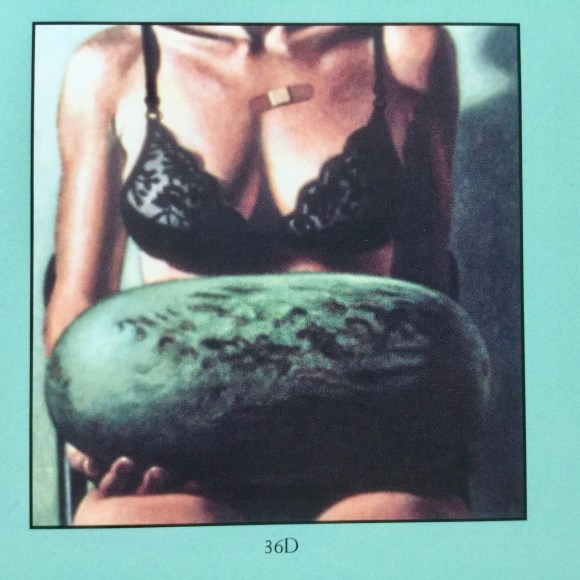
The skinny: Last week, I posted about how I purchased a reissue of The Beautiful South’s debut album, “Welcome to The Beautiful South“, without a second thought when I saw it became available for pre-order. This week, I’m back to admit that this was maybe a fib. I actually did have a second thought and that was that I’d also would love to be ordering their third record, 1992’s “0898 Beautiful South”, at the same time. Luckily for me, this very same album was also reissued a few short months later and I wasted the same little amount of time before getting on the pre-order train. “0898” was the first album by the British alternative pop group that I purchased and was in fact one of the first handful of CDs I ever owned, so it found itself getting played a lot. My only knock against this reissue is that they went a little cheap on the packaging. The photos jammed onto one side of the inner sleeve (that you can see above) were each on their own page of a multi-page booklet that came with the original CD. It’s a shame because the image for each song is, in and of itself, a lovely piece of surrealism. All I need to do to forgive the record company, though, is put the record on and turn it up and I’m transported back to the early 90s.





 My (life in) music lists