
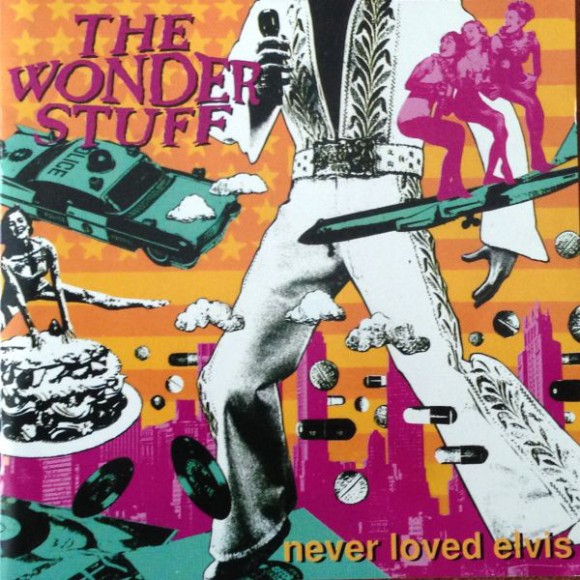
Throughout the first half on the 1990s, I made no apologies and did not waffle either way. The Wonder Stuff was my favourite band. Period. And though I’ve listened to them less and less over the years, I’ve learned, while doing these Best tunes and Best albums list series for this blog, that they are, in fact, still, one of my favourite bands.
I’ve already written the story of how I discovered them a number of times on these pages so I won’t tread those paths again. If you’re interested, you can read about that in my post on their debut album, “The eight legged groove machine”, when it appeared at number two on my Best albums of 1988 list, or the post on “Hup”, their sophomore album, which appeared at number five on my Best albums of 1989 list. I was almost apologetic at their appearances so high on those two lists, blaming the nostalgia factor. And while that was most certainly the case for those two records and the same can be said of all of The Wonder Stuff’s early work for me, there’s more to it than that when it comes to their third album, “Never loved Elvis”.
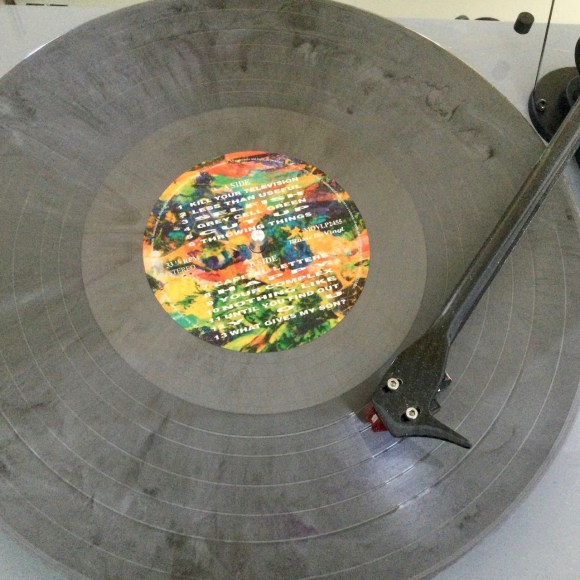
I bought this album on cassette tape, with my own money, from “Hooked on video”, our small town’s only music store at that time, where and when I went looking for more music where “The eight legged groove machine” came from. It turned out to be not at all what I expected but I fell for it just the same. “Never loved Elvis” became a constant fixture in my walkman. I learned every nuance of the fiddle, mandolin, and juke-joint piano influenced folk-rock that underpinned Miles Hunt’s biting pomes (yes, I misspelled that on purpose).
Legend has it, the original working title for the album was “F*ck Elvis”, which absolutely toes the line of Miles’ typical combative, don’t give a shit attitude in those days. However, the title got a tone down when he heard comic Dudley Moore state in a television interview that he “never loved Elvis”. The album was anti-pop and rock and anti-establishment and fit its moniker. Funny, then, that it became the band’s biggest selling album to date, initially all on the back of the band’s first huge hit, “The size of a cow”. Not to worry, the irony of it all was never lost on Miles, who has always appreciated the song and the fact that it made him lots of money.
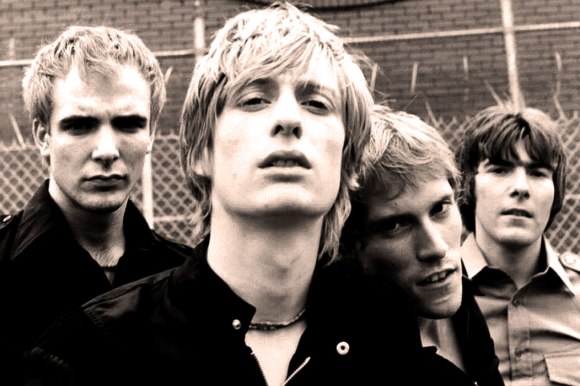
This version of The Wonder Stuff* would only make one other album after this, their fame and Miles’ innate self-destructiveness were the main culprits, but for “Never loved Elvis”, the stars aligned perfectly. Or maybe it was just the alcohol and those late nights hanging out with The Mission’s Wayne Hussey.
I can forever listen to each song on this record, just enjoy the originality of it all, and to sing along with and deconstruct Milo’s excellent lyrics. Every one of them has been and will be a favourite of mine through the past and the future. The three songs I have picked to highlight for you are all ones that have a lot of personal significance but are also excellent examples of The Wonder Stuff’s, in my mind, very underrated talents. “Thanks for your time and ears to lend…”
”Maybe”: Speaking of which, I’m starting things off here with track nine of thirteen, a song that was never released as a single but was one of my favourites by the group nonetheless. “Maybe I should be a writer, write a book and feel much brighter, share my thoughts with the world.” Those first three lines that start off Miles Hunts’ musing on being at a crossroads, trying to decide what to do with the rest of his life, it’s those words that completely rung true with me as a teenager. Even back then, I wanted to be a writer, dreamt of writing the great Canadian novel, was serious about meaningful lyrics in songs, all of which hooked me on to this band in the first place. I identified with all the questioning going on, since I was yet a teen and had no idea then where I would end up. I loved singing along with these words. I loved the whirl of organs, the rambling harmonica and of course, those fiddles that start off the proceedings against Martin Gilks shuffling drum beat. And each of these make an appearance all the way through, taking turns accompanying our man Miles as he name-checks the lead singer of R.E.M. and questions the sanity of the world and his own spot in it. Yeah, it’s still a favourite.
”Caught in my shadow”: The second single to be released in advance of the album was this one, featuring the following lines that run through it thrice: “These streets used to look pretty. This town used to look like a city. These people used to talk to me.” It sounds to me like Miles is feeling nostalgic for home, but not just home: the home of his youth. A sentiment with which many of us can identify and one that I’ve known every time that I’ve swung through the town in which I grew up and found it unrecognizable. Fittingly, the video for this track was filmed in Birmingham, not far from the band’s roots in Stourbridge. Originally planned as a commando, surprise busking gig, requirements for city approvals meant that a sizeable crowd appeared and were treated to acoustic renditions of a bunch of the band’s hits and of course, this tune. Bongo drumming, acoustic strumming, a shine of the beautiful mandolin, and Hunt’s snarling memories, all highlight this otherwise driving pop song. And heroically done.
”Welcome to the cheap seats”: “Arriba!!!” Released as the fourth single to “Never loved Elvis”, my last pick for you today has already appeared on these pages in the number eight spot on my Best Tunes of 1991 list. It was actually released the following year to headline a double EP and was accompanied by a documentary film of the same name, both of which I owned copies of in the past, the former on cassette and then compact disc and the latter on VHS. “Welcome to the cheap seats” features the accordion work of Linda McRae of Canadian folk-rockers Spirit of the West (with whom the Stuffies toured and became friends) and the backing vocals of everyone’s favourite, Kirsty MacColl. It puts excellent use to these two extraordinary talents, contrasting Kirsty’s smiles with Miles’s snarls and pairing the accordion with the fiddle, all set against the driving strum on the acoustic and the peppery drums. It all makes for a ridiculous waltz, a tear and reel through a shattered looking glass, everything distorted and nothing as it seems. The lyrics are equally nonsensical and surreal, adding up to three wonderful minutes of whimsy. “Imagine his suprise when he opened his eyes and I’d run the lawnmower over his thighs. Imagine the disturbance at the time of the occurrence, when his life became a burden and we laughed at his cries.”
*The Wonder Stuff broke up in 1994, which I’ve bemoaned in other posts on these pages. Miles resurrected the band in 2000 and they’ve soldiered on with their intrepid leader and a varying supporting cast ever since.
Check back two Thursdays from today for album #4. In the meantime, here are the previous albums in this list:
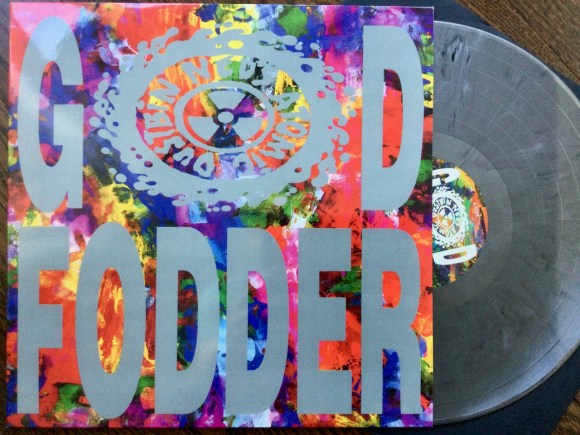
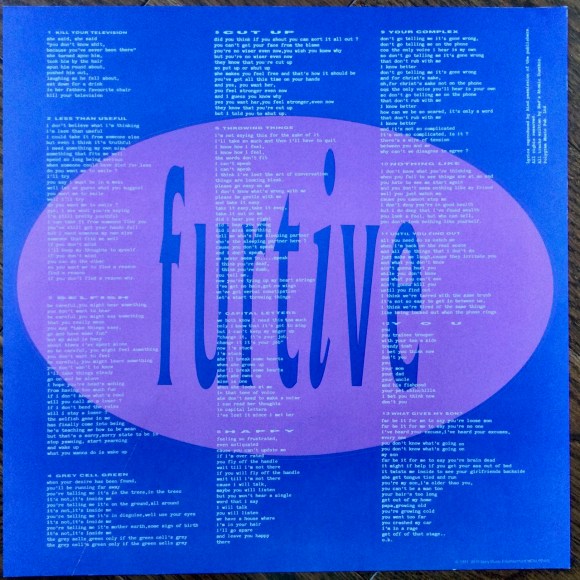
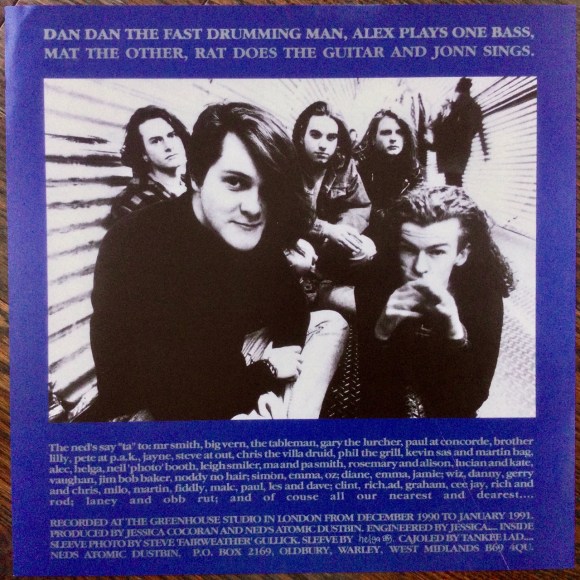
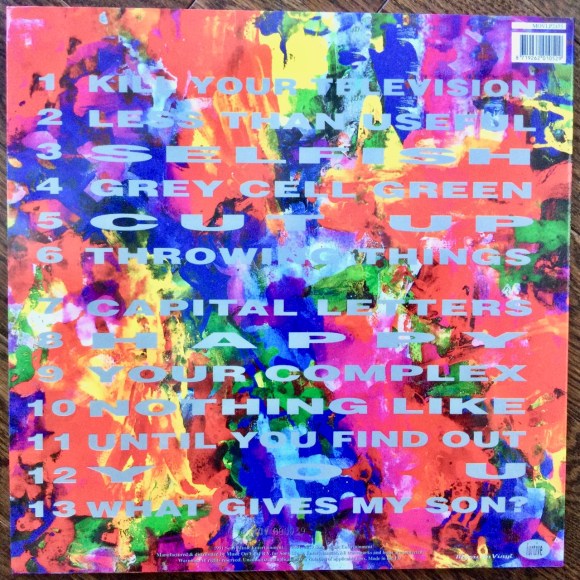
10. Ned’s Atomic Dustbin “Godfodder”
9. Spirit Of The West “Go figure”
8. Chapterhouse “Whirlpool”
7. Blur “Leisure”
6. Levellers “Levelling the land”
You can also check out my Best Albums page here if you’re interested in my other favourite albums lists.
 My (life in) music lists