Categories
Albums

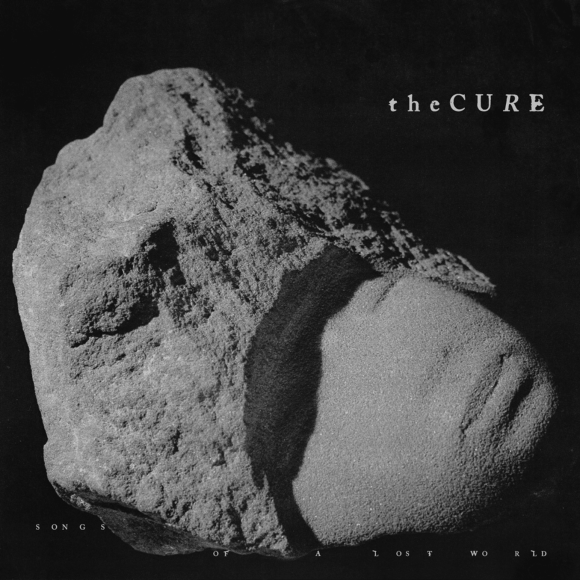
Best albums of 2024: #1 The Cure “Songs of a lost world”

If you’ve been following along, you might have guessed this album to be here at number one, given its conspicuous absence thus far.

I’ve been a fan of The Cure for many years, close to four decades in fact. Yeah, I’m aging myself here but what can you do? I first got into the post-punk legends led by Robert Smith when I was in high school, shortly after the release of their seminal album, 1989’s “Disintegration“. Alternative music became a passion amongst me and a few friends, with each of us introducing the others to the latest bands, in a time before the internet. I’m pretty sure it was my friend John* that shared “Disintegration”, along with early singles compilation “Staring at the sea”, both of which I dutifully dubbed to blank cassette and quickly wore out from playing.

When “Wish” came out in 1992**, I wasted no time in purchasing it for my burgeoning CD collection and obviously played it to death. Unfortunately, the same can’t be said for 1996’s “Wild mood swings” on either count. I did try to make amends with “Bloodflowers” in 2000*** but that was mostly because I had bought tickets to finally see the band live with my youngest sibling for that tour. I still don’t believe I have heard an ounce of either of the two albums Robert Smith and company released between that album and this year’s release.

All that to say, I certainly wasn’t expecting a new Cure album to be my favourite album of the year when the calendar turned to 2024 last January. But it certainly is and I’ll tell you why.

It could be just me but Robert Smith seems a completely different musician and person than he was in the early 2000s. I remember seeing them for that aforementioned show for the “Bloodflowers” tour and walking away disappointed. The setlist seemed more designed for him than for the audience. Contrast that with the next time I saw the group at Osheaga in 2013, when organizers had to pull the plug to get them to leave the stage, and even then, they performed “Boys don’t cry” without sound. I’ve heard that this is pretty much how all his shows go now. Playing everything he thinks his fans want to hear and having a great time doing it. And he’s been touring lots without releasing anything new for years, though the rumours of new material have been swirling faster and faster of late.

“Songs of a lost world”, The Cure’s 14th long player was finally released in November and it explodes through the speakers. It exudes all this passion that Smith performs with while on stage. People talk about how Cure albums waffle between goth records and pop records but this one feels like it nestles and nuzzles itself snuggly in between both. It is big and bold and is unabashedly The Cure.

At just eight songs, our number one album feels way too short, like we wouldn’t have minded it go on for another 45 minutes at least. However, Robert Smith has assured us that he’s got enough material in the can for a few more albums to come soon. Until then, let’s listen to this again and again and you could do worse than go with any of these, my three picks for you.


“Alone”: “This is the end of every song that we sing.” Quite the line to start off an album with. Indeed, it’s the first line on the first song and the first single to be released off the album. And that it comes just shy of the three and a half minute mark of a nearly seven minute song and that it just happens to be the first piece of new music to be released by The Cure in 16 years is both heartbreaking and beautiful. Of course, this was not random. Robert Smith knew he needed a great line to open the album and it might very well have been the reason that the long promised album kept getting pushed back. He’s readily admitted that once this line was written, the rest of the album fell easily into place. And this line, this song, is well worth all the waiting. The sweeping and trudging and haunting darkness that prefaces these words is simply gorgeous, so easy to get wrapped up in, that you almost don’t want any vocals to appear, that they might mar the perfection in some way. But of course, Smith doesn’t let this happen. His words, morose, moody, satisfied, whatever, they make the perfection even more so. How does it get better? Read on friends.

“All I ever am”: “My weary dance with age and resignation moves me slow, toward a dark and empty stage where I can sing of all I know.” The penultimate track on the album sounds like Mr. Smith reflecting on his mortality. But he does so with panache and in a way that only The Cure can do it. Of course, it’s morbid and morose, but it’s also set against an aggressive and tribal beat and haunting synths, ambulance sirens and elevated heart rhythms. There’s soaring guitars demanding to be forefront and twinkling keys content to take the back seat. It’s all very big and epic and romantic. And begs for more.

“A fragile thing”: “Don’t tell me how you miss me, I could die tonight of a broken heart.” This line and so many like it in this song is heartbreaking. The whole song is heartbreaking. Heartbreaking and truthful and real and beautiful. A song about a relationship in trouble, love when love is not enough, love that hurts, a relationship whose story is linear and long foretold. And the music is just as haunting. Menacing keys from an early eighties slasher flick, set against shimmering and blinding cymbals, and a foreboding bass line, the kind that keeps you up at night, cold sweat from a nightmare, reaching for comfort but only finding an indentation where a warm body should be. This is the kind of Cure single we’ve been waiting a couple of decades for and we are more than grateful to be able to crank it up and let all soak over us. Over and over and over again.

*Or maybe it was Tim?

**It was also around this time that I purchased an original pressing of “Mixed up” on vinyl. Sadly, I lost that one to one of my younger siblings when I moved away to university. I’ve since purchased a reissue.

***Thankfully, it was a better album than its predecessor.


I hope those of you that have been following along this mini-series of my favourite albums from last year. I am going to try to get back into a rhythm and a regular schedule after this. For those of you who haven’t been following along, here are the previous albums in this list that you’ve missed:

10. Quivers “Oyster cuts”
9. The Jesus And Mary Chain “Glasgow eyes”
8. The Last Dinner Party “Prelude to ecstasy”
7. Vampire Weekend “Only god was above us”
6. Real Estate “Daniel”
5. Wild Pink “Dulling the horns”
4. Wunderhorse “Midas”
3. Gift “Illuminator”
2. Ride “Interplay”

You can also check out my Best Albums page here if you’re interested in my other favourite albums lists.
Categories
Albums

Best albums of 2023: #3 The Veils “…And out of the void came love”

When I sat down to write this post, I was not a little bit flabbergasted to realize that this would make only the second time* that The Veils have appeared on these pages. Of course, it made more sense once I reasoned that it had been more than seven years since their last album, which was one year before I started My Life in Music Lists.

The Veils got their start way back in 2001 when a teenaged Finn Andrews was signed to Rough Trade Records and relocated back to his birthplace of London, England after growing up for the most part in New Zealand. He has been the group’s driving force and only static member, though they did have a pretty stable five-piece lineup for a decade or so between the mid-2000s and up to the release and tour cycle of their fifth album, 2016’s “Total depravity”. I had been a pretty rabid fan of the group, right after hearing their debut, espousing their virtues to all my friends and acquaintances, and featuring them regularly on my old blog, Music Insanity**.

I would go on about how Finn Andrews’ theatrical vocals and emotional songwriting and delivery really set The Veils apart from any other band, comparing his voice to that of a Rufus Wainwright or a young Lou Reed (before his voice went to seed) and his soul to that of Tom Waits or Nick Cave, or even an older Lou Reed. And all of these superlatives grew in stature when I saw them in 2007 for their tour supporting their 2006 album, “Nux Vomica”, and was blown away by the passion of Andrews and how he throws himself completely into the performance of his music.

To that point, Andrews broke his wrist while touring a solo album he had released in 2019 and he made it worse by deciding to finish out the tour. This meant for a much longer recovery in which he couldn’t tour or perform live. Instead, he spent the time resting and writing and recording by himself. Of course, the worldwide pandemic complicated things and extended their absence, but when The Veils finally resurfaced, now in 2023, it was with this magnificent double album and a whole new lineup of players backing the welcome return of an incredible songwriter and singular vocalist.

“…And out of the void came love” is an album of two thematic parts, meant to be listened to as such. It is recognizable as The Veils and their gothic and romantic take on folk and rock, still evoking Waits and Cave, but here there is more hope, a hint of a sunrise after a long dark night. I highly recommend you take the time give this one its due but my three picks for you can give a taste of what this return has to offer.


“Epoch“: The second song on the second side of part/disc one, aka track number six, is an urgent and visceral explosion. Andrews holds court like a crazed ringmaster during the verses, shouting rather than singing them, rattling them off through an an invisible megaphone, tipping his hat, and dancing a jig and all the while drums clatter, the bass punishes, and guitars dance through feedback and threaten to fall out of tune. And when it comes to the chorus, all Andrews needs to do is repeat the same line, “I’ve seen it coming”, multiple times, but they’re just words, the meaning and emotion is different every time they escape his lips. It’s a vocal achievement and a trick of magic and you’re held rapt the whole time.

“Time”: This whole beast starts off with this nearly six minute piano-driven dirge that was released as a single on New Years Day 2023. It was written during the first lockdowns in New Zealand and reflects what I am sure a lot of us were feeling in the early days of the pandemic. The piano rolls interminably like the incessant ticking of a clock as it keeps you up in the early hours of the morning. It has the feeling of walking the tightrope of insanity. “Тіmе іѕ а dеvіl. Тіmе іѕ а rосk. Тіmе іѕ а rіddlе, nоnе оf uѕ саn unlосk.” It is Andrews playing in a realm of poetic lyricism, dragging us along with him through his range of emotions, and it is here, along with a number of other places on the album, that we can hear with almost perfectly clarify where all those comparisons to Nick Cave come from.

“No limits of stars”: The track that follows the last one then turns us all on our heads. If we think we’re getting and we think we want an album full of murder ballads like “Time”, we realize within the first few seconds of “No limit of stars” that we were dead wrong. “Well, it’s true the universe cares not how we all live and die. But there’s an element missing in that arrangement somehow, and I wondered why, in any way, we don’t live long, beneath no limit of stars.” It’s a rousing piece of existentialism, an exploration of our smallness in the face of infinity and expansion. And Andrews and his merry band of musicians punish us lovingly with a tune without quit. The drum beat doesn’t break and the haunting guitars and lonely keys match it breath for breath, heartache for heartache. It exists in a frozen place and time, as the second hand hesitates between notches just after midnight and the rest of the house is quiet, save for its settling creaks and groans. It is intense but perfectly so.


*The only other The Veils post here is a ‘Vinyl love’ piece I did for their debut album four and half years ago.

**Part of the reason I was gobsmacked that they hadn’t appeared on this blog more to date, something I shall have to remedy, obviously.

We’ll be back after Christmas with album #2. In the meantime, here are the previous albums in this list:

10. Bodywash “I held the shape while I could”
9. Boygenius “The record”
8. Depeche Mode “Memento mori”
7. The Clientele “I am not there anymore”
6. Eyelids “A colossal waste of light”
5. Pale Blue Eyes “This house”
4. The Reds, Pinks and Purples “The town that cursed your name”

You can also check out my Best Albums page here if you’re interested in my other favourite albums lists.
Categories
Tunes

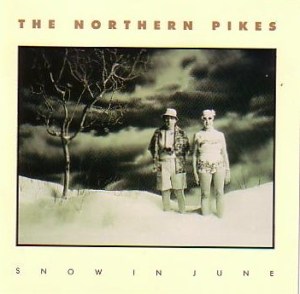
Best tunes of 1992: #2 The Sisters of Mercy “Temple of love (1992)”

<< #3    |    #1 >>

Here we are finally near the end of this list of my favourite tunes of 1992, a series that I started just over a year and a half ago. I figure it’s time to wrap this thing up. And with these last two songs, we’ve got some epic, exciting tunes that are, comparatively speaking, quite different from each other.

Number two feels like a bit of a cheat. “Temple of love” was originally released as a non-album single by goth icons, The Sisters of Mercy, way back in the band’s early days in 1983. But this isn’t the version I know and love. No. I’m talking instead about the version that was re-recorded and reissued in 1992 to promote “Some girls wander by mistake”, a compilation of the band’s early material released by the label to mitigate the impacts of what it saw as rampant bootlegging. This new version of “Temple of love” doesn’t actually appear on said compilation, choosing instead to only include the original, untouched version. In fact, all of the songs that the Sisters released between 1980 and 1983 appear here as they were originally released, much to the chagrin of band frontman Andrew Eldritch, who wasn’t such a fan of all of it.

My friend Tim, whom I’ve credited in the past with introducing me to the band, loaned me his CD single copy of “Temple of love (1992)” in high school English class one day. I duly brought it home, copied it to cassette tape and repeatedly listened to this recording on my walkman that year. I had transcribed the name of track one exactly as it appeared on the back of the CD case: “Temple of love (Touched by the hand of Ofra Haza)”. Perhaps it was innocent of me but I had no idea at the time that this wasn’t a new song. I only heard the original when I dubbed myself a copy of “Some girls wander by mistake” much later.

Some have said this new version was faster and more guitar heavy but, if you listen to it back to back with the sinister sounding, post-punk influenced original, you can hear that original is actually faster in pace and has plenty of guitars to go around. The 1992 version just feels harder by comparison because of the stepped up, stomping drums and because it continues the heavy guitar themes explored with lead guitarist Andreas Bruhn on their previous studio album, 1990’s “Vision thing”. And I haven’t even mentioned yet the lengths of the two tracks – the original was quite big at just over seven and a half minutes but this second version bigs up on the original by additional thirty seconds.

But the real treasure of this second version for me is the vocal work by Ofra Haza, whose contributions Eldritch tried to highlight in the aforementioned title byline. It was another collaboration that sounded odd on paper**, but this one actually worked. Haza was a pop singer, one that maybe wasn’t as well-known in England or North America, but one that was very popular in her home country and was known there as “the Israeli Madonna”. It is her mezzo-soprano that lays another level to the chugging, chainsaw guitars and feels like an angel singing among the demons. It is a tender foil against Andrew Eldritch’s dark and deep voice espousing love as a religion, a spiritual experience to be feared, revered, and awed.

“In the temple of love: Shine like thunder
In the temple of love: Cry like rain
In the temple of love: Hear the calling
And the temple of love is falling down”

And as I said back when this very tune came in at number one out of my top five Sisters of Mercy tunes in a post a couple of years ago, this is a song that I’ve danced to many times over the years, especially back in my university days. Indeed, in my mind, “Temple of love (1992)” is a perfect fit for a dance floor explosion.

*The Sisters of Mercy’s label, WEA, had claimed in and around this time that the band were the most bootlegged band in their roster. And I believe it, given the ridiculous amounts of bootlegged vinyl I’ve seen flipping through the bins over the years.

**I’m pretty sure I read that it was also Andrew Eldritch’s idea for The Sisters of Mercy to tour North America with Public Enemy in 1991. It wasn’t quite as successful.

For the rest of the Best tunes of 1992 list, click here.