Elephant Stone is a Montreal-based psych-rock quartet that was formed by bassist and sitar player Rishi Dhir back in 2008. I got into them pretty much right from the start because I loved Dhir’s work with The High Dials* and was more than a little sad when I heard he had left that group.
Elephant Stone’s 2009 debut album, “The seven seas”, had me sold immediately and had me trying to convince all of my other friends to give the band a go as well. I got to see them live at the now defunct Zaphod Beeblebrox here in Ottawa back in 2010 and then, three years later, I saw Dhir perform live onstage with Beck at Montreal’s Osheaga festival. Indeed, Dhir’s sitar work is well known and sought after in the psych rock circles and he’s collaborated, either live or in studio, with the likes of The Horrors, The Black Angels, The Brian Jonestown Massacre, and the aforementioned Beck. He even created a psych-rock supergroup of sorts called MIEN and released one self-titled album in 2018, that included the work of The Black Angels’ Alex Maas, The Horrors’ Tom Furse, and The Earlies’ John-Mark Lapham.
But I’ve strayed off course a bit here. Rishi Dhir is the driving force behind Elephant Stone but he’s also always had a great team behind him. Each of the group’s five albums have been critically acclaimed, and each has told a different story. On their 2020 album, “Hollow”, Dhir and his band are reaching out to a dystopian world of disconnected and unhappy souls, one that was inspired by the impacts on our society by social media.
“We long to feel less empty inside our hollow world
These hollow days bring so much hurt”
These are words from the opening track, “Hollow world”, but if you weren’t paying attention, you could be forgiven for thinking the message more uplifting than that. The song is a dreamy and technicolour piece of paradise, one that refracts blinding shards of light in all directions. Much like the best of Elephant Stone, this smacks of what The Beatles might’ve been had George Harrison had more sway at the height of his Indian classical music fascination. It is bright pop and sounds young, joyful and hopeful, especially when Rishi brings out his daughter Meera Skye Dhir to join him on vocals to close things out. Genius.
*Another excellent Canadian indie rock outfit out of Montreal with a psych rock influenced sound.
For the rest of the Best tunes of 2020 list, click here.
(Vinyl Love is a series of posts that quite simply lists, describes, and displays the pieces in my growing vinyl collection. You can bet that each record was given a spin during the drafting of each corresponding post.)
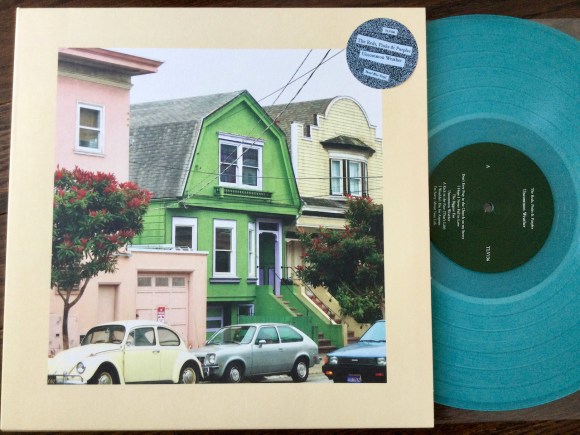
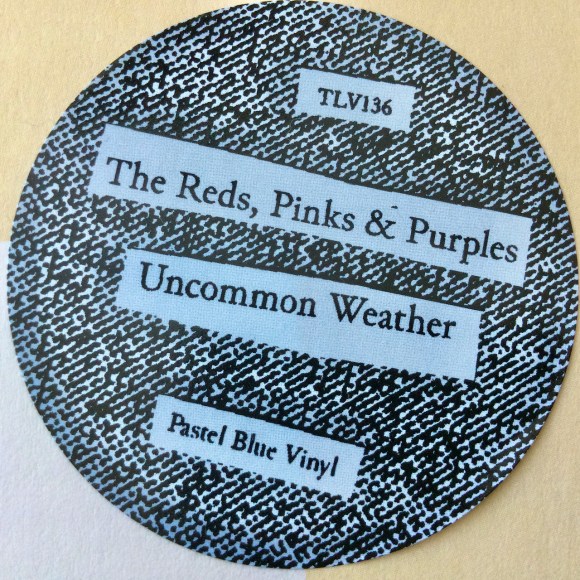
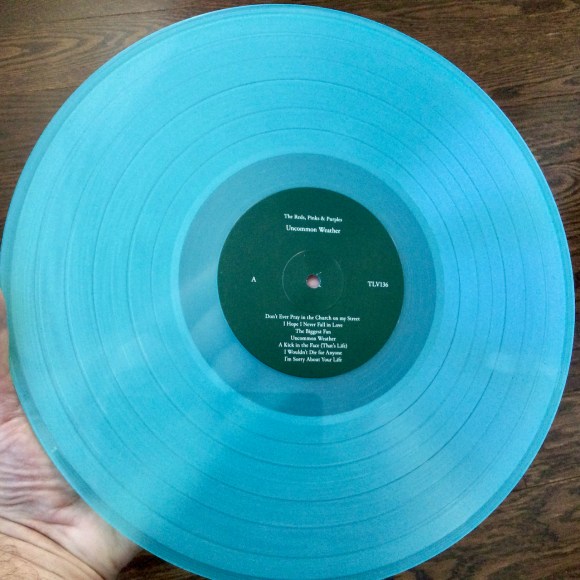
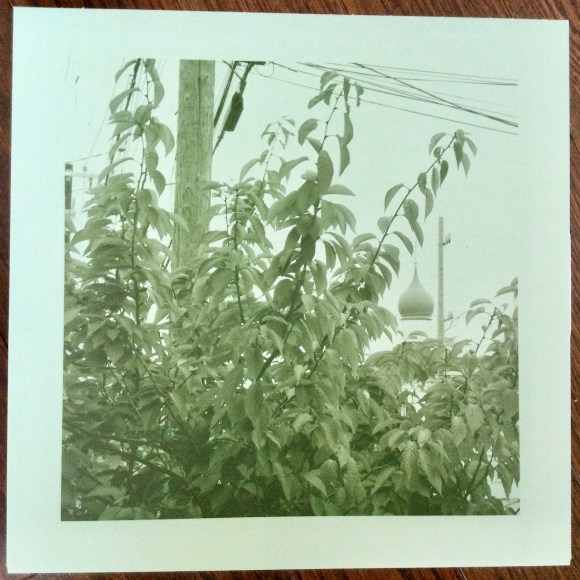
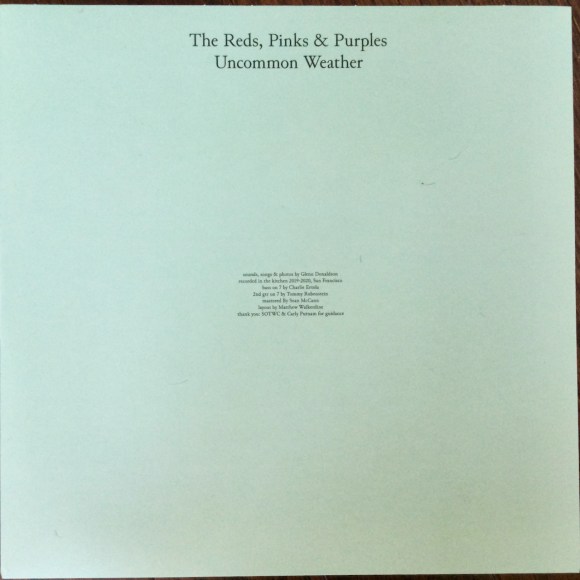
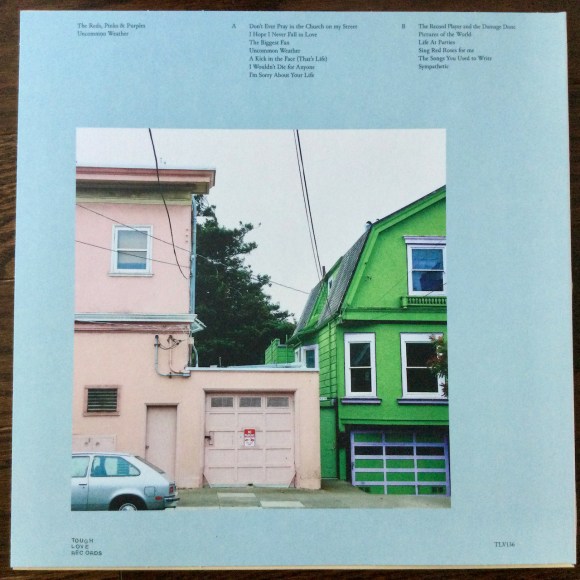
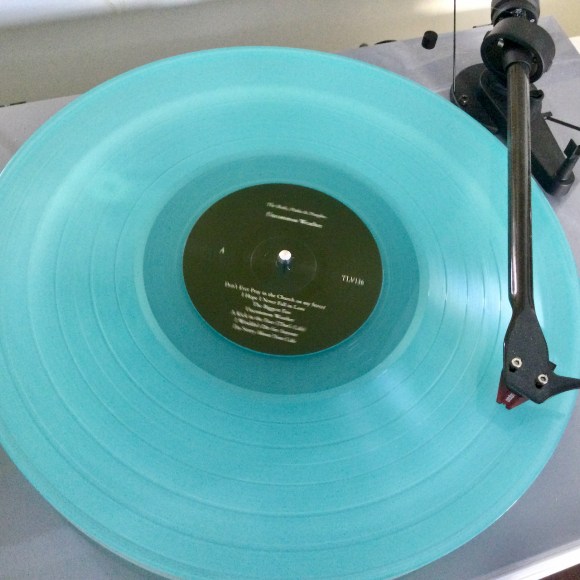
Artist: The Reds, Pinks & Purples Album Title: Uncommon weather Year released: 2021 Details: Limited edition, pastel blue
The skinny: When I counted down my favourite albums of the year at the end of 2021, the last one standing was “Uncommon weather” by The Reds, Pinks and Purples. I had never even heard of said act prior to last year but following an email blast from Slumberland Records and trip over to Spotify, I was an instant fan. I went on the hunt for a vinyl pressing of what I later learned was Glenn Donaldson’s third album as The Reds, Pinks and Purples and found the pastel blue variant at one of my favourite indie online shops. It’s such a great record, like pretty much everything he’s released over the last few years. And just as I wrote in my end of the year post, “there’s just something addictive in Donaldson’s short bursts of ear-worm pop. Each of the thirteen songs on “Uncommon weather” sounds immediately familiar and welcoming. There’s loads of reverb and silky smooth synths, peppy drumming and jangly guitars, and above it all, Donaldson channels all of our 80s John Hughes heroes: Robert Smith, Ian McCulloch, and Richard Butler.” I really just can’t help myself from gushing to anyone who’ll listen about The Reds, Pinks and Purples.
It was Saturday afternoon, September 30, 2000, and I was at work, nearing the end of my shift. I called Tim because I had a hankering to go out and was curious to see what my friends were doing. “I know what you’re going to do tonight,” Tim proclaimed, much like Hunter S. Thompson’s lawyer might have done in ‘Fear & Loathing in Las Vegas’. “You’re coming with me to see Mojave 3 at the Horseshoe tonight!” It was fortuitous for him and for me that he had an extra ticket for the show and was looking for someone to claim it. I had never really listened to Mojave 3 before but I was game.
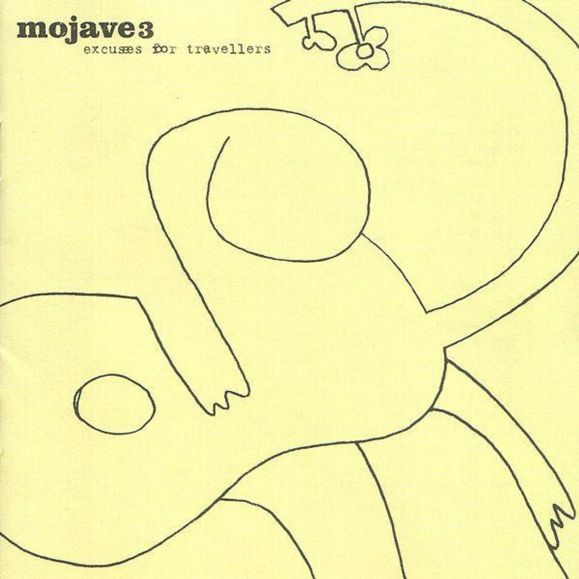
I don’t really remember many details of the show, given the heroic amounts of cheap draft consumed that night, but I’ve got two that I can relay. The first is a short conversation that transpired on the way out of the Legendary Horseshoe after the show that will live on in infamy. Tim was saying something about how Neil Halstead and Rachel Goswell had gone all Cowboy Junkies with Mojave 3. And I drunkenly proclaimed, “Tim, you have no concept of genre.” He just looked at me, incredulous, and said, “I don’t even know how to respond to that.” The second is that I must’ve really enjoyed the show because I went out the very next day to purchase Mojave 3’s latest disc, 2000’s “Excuses for travellers”.
If that story sounds vaguely familiar, you must’ve read the post I wrote about the track “Return to sender” when it appeared at #6 on my Best tunes of 2000 list. I reproduced it practically verbatim above because I love the story and it bears repeating, especially given that it recounts my introduction to the group and their third album, the subject of our post today.
Mojave 3 came to be when British shoegaze icons Slowdive were dropped by their label, the equally iconic Creation Records, in 1995 and that band’s principal songwriters, Neil Halstead and Rachel Goswell, along with the drummer at the time, Ian McCutcheon, decided to record music towards a different direction entirely. The trio became a quintet shortly afterwards with the addition of Alan Forrester and Simon Rowe (the latter formerly of Chapterhouse), but the ‘3’ in the name stuck. You might be surprised, knowing how I feel about dream pop and shoegaze, that it took me so long to get into this band but that’s the truth of it.
Mojave 3’s third album, “Excuses for travellers”, is like a happy medium between the group’s first two. It’s not as gauzy and mellow as “Ask me tomorrow” and not as peppy and twee as “Out of tune”. It just is. It is a mood and a feeling. It’s what you put on when you want to feel that “Excuses for travellers” feeling. Those who know, know exactly what I’m talking about. This is an album that doesn’t peak and that doesn’t have any obvious singles. It just has ten amazing tunes, of which of I have picked three of my favourites for you to sample. Hope you’re in the mood.
“Bringin’ me home”: My first pick is the only one on which Neil Halstead doesn’t take the lead vocal duties. Penned and sung by Rachel Goswell, it follows the lead of the other songs with a tempered, upbeat feel. Instead of sunshine, though, Rachel channels a rainy day. “Just a rainy day here in my usual place, where no one hears me.” Just sitting alone with the sound of the raindrops and the echoes of memories, imagining what might’ve been. A surprising, yet subtle synth underpins the tune, adding a layer to the guitar strum and sparse drum beat. And then, as if we weren’t clear on the mood, a harmonica makes an appearance for good measure.
“In love with a view”: “I had a plan that was built on thinking too long. Canadian winters, at home with your sisters, the romance was hard to ignore. You were beautiful. I was happy to fall.” Perhaps this is predictable but I have soft spot for any tune that references home, especially when that tune comes from an artist not from Canada. The opening number perfectly sets the mood. Strumming acoustic, twinkling piano, wailing pedal steel, and a bass line that just feels like a soaked handkerchief. The memory is cold. A cabin in the middle of nowhere, a fixture in the corner of all those Polaroids. Halstead and Goswell sing together at the refrain, both plaintive, both hopeful that the pain won’t be in vain. And when the song explodes into an all out jam at the three and a half minute mark, you can’t help but feel that the band are are working through a whole range of emotions. It’s just so beautiful and passionate.
“Return to sender”: Track four is pure joy. “Return to sender” is a tune that always brings a smile to my face. It makes me want to put my arm around my wife’s shoulder so that we can sway together with our eyes closed and sing along to those Neil Halstead witticisms. “I went looking for a priest, I said, ‘Say something, please I don’t want to live my life all alone.’ He said, “God will take care of those that help themselves. But you look pretty screwed, send a letter.’” My sixth favourite tune from the year 2000 is a boppy number. It’s a feeling that dances along to Halstead’s gentle acoustic strumming and his soft and plaintive vocals. The jaunty drumming, the banjo twang, twinkling keys, and harmonica flourishes only to serve to add to the wistful joy. “If you find us, return to sender.”
I’m obviously still not on a regular schedule around here so I won’t promise when we’ll get to album #2… but, it’s coming. In the meantime, here are the previous albums in this list:


 My (life in) music lists