(I started my Vinyl Love posts pretty much right after the launch of this blog to share photos of my growing vinyl collection. Over time, the photos have improved and the explanations have grown. And looking back at a handful of the original posts in this series, I found myself wanting to re-do some of them so that the posts are more worthy of those great albums. So that’s what I’ll be doing every once in a while, including today…)
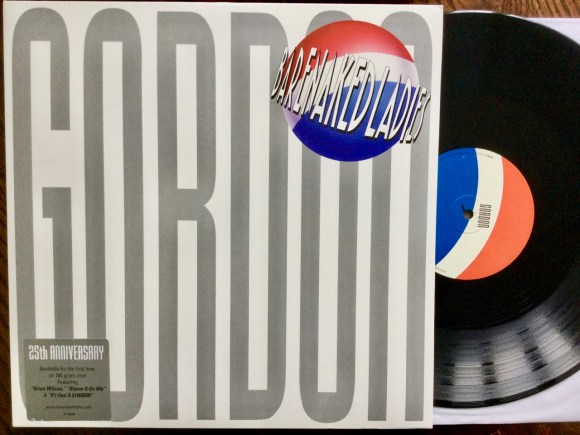
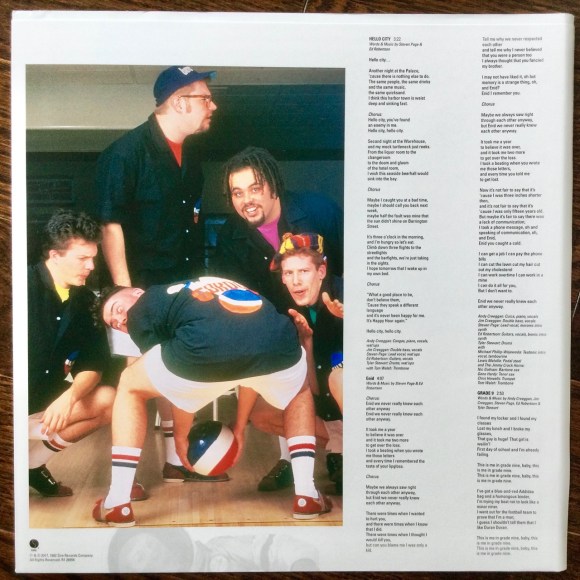
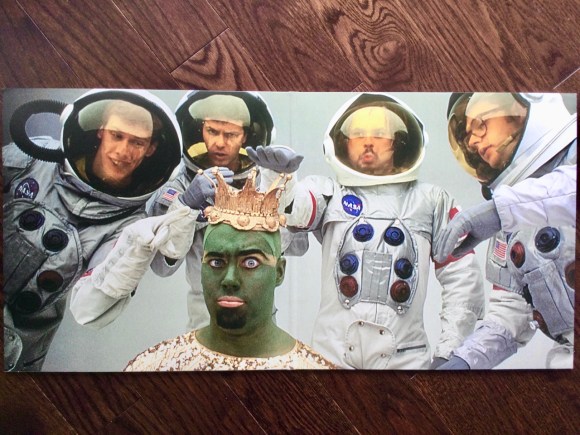
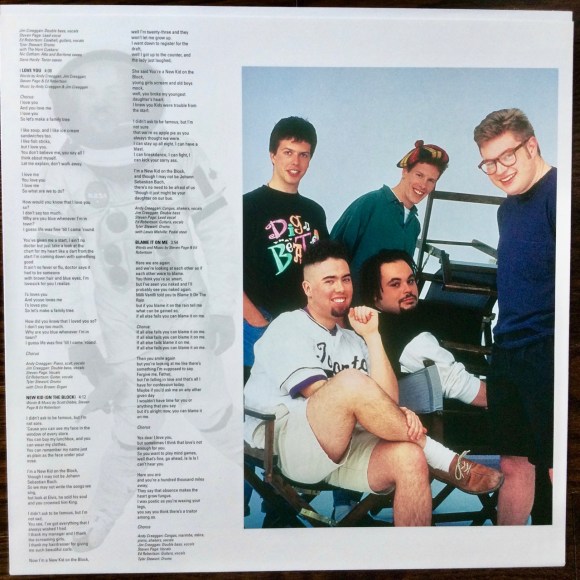
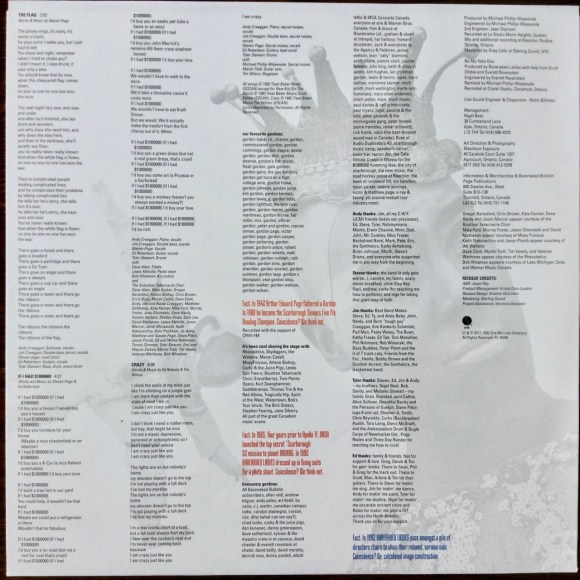
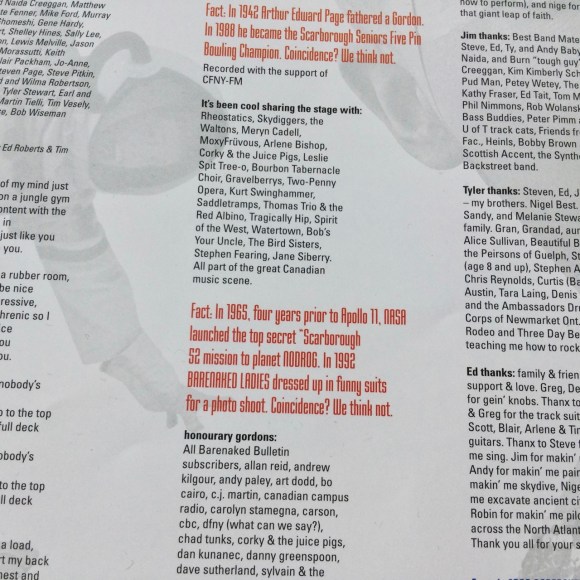
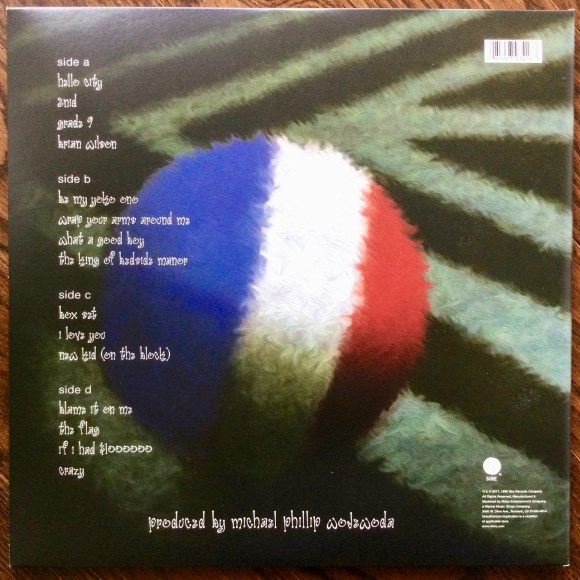
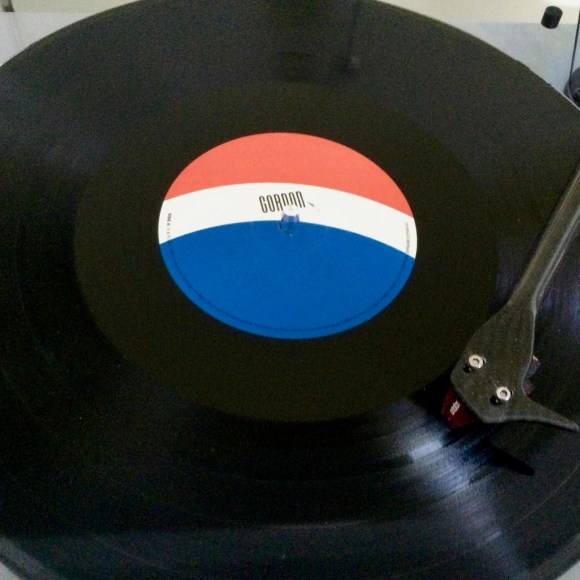
Artist: Barenaked Ladies Album Title: Gordon Year released: 1992 Year reissued: 2017 Details: Black vinyl, 2 x LP, 180 gram Gatefold sleeve, 25th anniversary edition
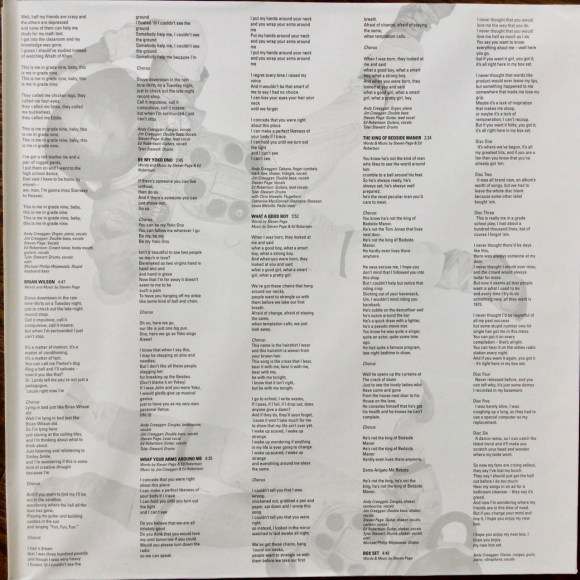
The skinny: My original ‘Vinyl Love’ gallery on this record was posted back in November three years ago. In that piece, I blamed my pre-ordering of it during the prior summer on my friend Patrick, who is a pretty big fan of the Ladies and had alerted me to its reissue. I think it funny now that I had actually had to think about purchasing it. “Gordon” was a pretty big deal, especially in Southern Ontario, when it was released back in 1992. The rest of the world wouldn’t officially catch on to the four-piece from Scarborough until a few years later and by that point, I (and a lot of their other early diehard fans) had moved on. This debut, however, remains a classic and I had forgotten how great it was until I received this 25th anniversary reissue on two 180-gram discs in the mail. I feel like I’ve listen to these 15 songs more in the last three years than I had in the previous two decades. And yeah, I still know every word to every song. Every word. Every song. Classic.
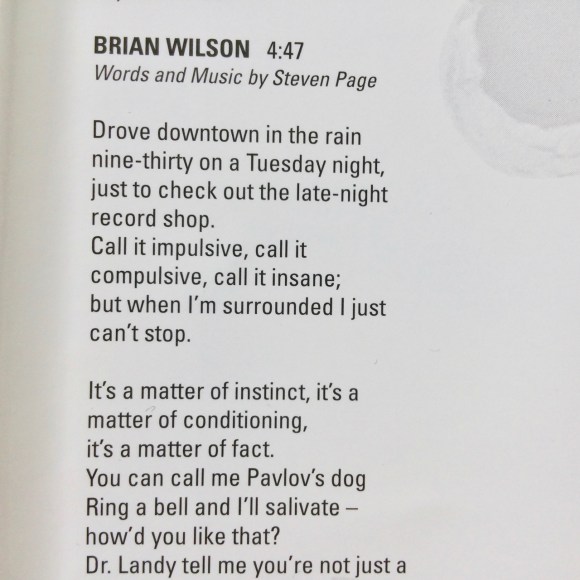
Standout track: “Brian Wilson”
P.S. Those of you who are aficionados of early 1990s Canadian alt-rock might appreciate a photo I am planning on posting to my Instagram account tomorrow. Watch out for it.
If you’ve never heard of Great Lake Swimmers or listened to their poignant indie folk, you’re indeed missing out. In the past, I would often say about them that when listening to them, they were an amazing experience, but would then go long periods without listening to them and forget about them, until a new album was released and I would fall in love with them all over again. But now that I’ve seen myself amass a bunch of their records as a part of my vinyl collection, I can honestly mark them down as one of my favourite bands, not just a standout amongst the indie folk greats.
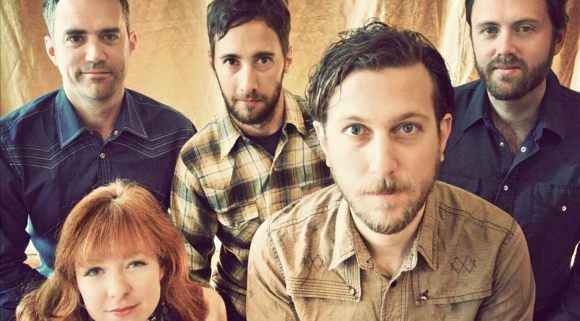
Great Lake Swimmers have always been the project of singer/songwriter Tony Dekker. He started out using the name back in 2003 and recorded the self-titled debut in an abandoned grain silo in his hometown of Wainfleet, Ontario. Over the years, he has brought in a number of different musicians to augment his quiet and honest musings on life and the world around him. It felt there was a shift, though, with the band’s fifth album, 2012’s “New wild everywhere”. To his long time collaborator in Erik Arnesen (banjo/guitars), Tony Dekker added fiddler/vocalist Miranda Mulholland, upright bass player Bret Higgins, and Greg Millson on (gasp!) drums.
Yes, the drums were a somewhat new fixture and almost automatically picked up the tempo and mood by default. But I really think it was the addition of Miranda Mulholland that breathed new life into Dekker’s compositions with her backing vocal harmonies and her rollicking fiddle work. Just take “Easy come easy go”, my favourite tune on the album, as an example. Of course, it still features Dekker’s literate and hefty words but it’s more upbeat than anything he had produced up to that point.
“Call it chance, call it choice
Words escape on the breath of your voice
Spinning a magic as they arrive
It’s not fail when it’s a shallow dive”
But don’t get the wrong idea. It is still subdued, classy, and understated. You can almost see Tony and his band just nodding and tapping their toes, performing in button up shirts, done all the way up, sleeves rolled to the elbow, hair slicked or tied back, everything prim and perfect and no-nonsense. Meanwhile, the crowd gathered to watch them, in my mind’s eye, in a broken down barn, on a quiet and warm summer’s night, surrounding the band from an appropriate distance, swaying in abandon on top of hay bales, stomping their feet, and swinging and dipping their partners in love.
For the rest of the Best tunes of 2012 list, click here.
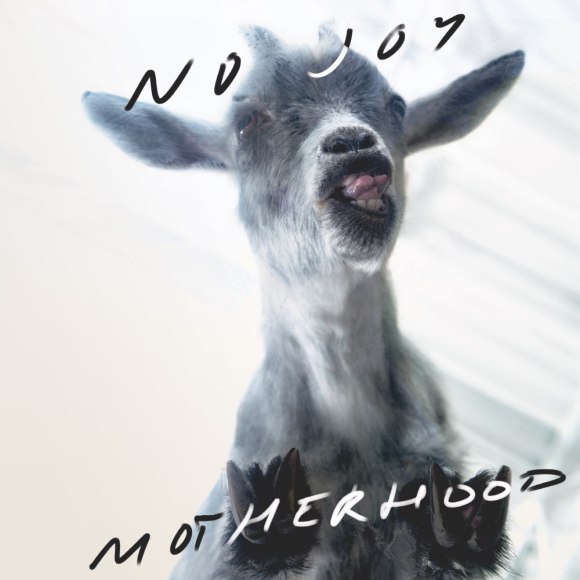
Someone needs to get on updating the Wikipedia entry on No Joy. Calling the project led by Jasamine White-Gluz a shoegaze band now feels like a mislabel, especially after you listen to their excellent fourth record, “Motherhood”.
When I first got into Montreal-based No Joy six or seven years ago, the term seemed more apt. White-Gluz had just released a second album under the moniker, working as a duo with Laura Lloyd. Both “Wait to pleasure” and the debut that preceded it, “Ghost blonde”, were steeped in fuzzy and hazy guitar trails blazed by My Bloody Valentine, Ride, and Lush. But there was a progression between the two albums, a hint that this act wasn’t just here to recreate and celebrate the original scene, a trope adopted by other ‘nu-gazers’.
After a third album, 2015’s “More faithful”, that was recorded by a more fleshed-out quartet, didn’t seem to move the marker far enough, White-Gluz took hold of the reins and took a break from recording LPs, in favour of a series of EPs, each striking out in a different exploratory direction. Perhaps most notable of these was her collaboration with Pete ‘Sonic Boom’ Kember in 2018. She completely stepped away from her comfort zone here, dispensing with her trusty guitar and traded it for synthesizers. The resulting four songs on “No Joy / Sonic Boom” might not be what you’d expect from either artist but are definitely a compelling listen for fans of both.
For “Motherhood”, Jasamine White-Gluz picked up her guitar again but didn’t leave behind the synths. She picked up the shoegaze that she started this journey with but threw it in a shake-and-bake bag with some trip hop, hardcore, ambient, and a bunch of the other sounds she’s toyed with in the five years between LPs. Yet instead of sounding scattered and overwhelming, the eleven songs here are quite cohesive and have sense of direction. This is likely because the album has a singular driving force and her’s is an ethereal voice that works the room with confidence. I can’t wait to see what she’ll do next.
My three picks for you are actually the album’s first three tracks and first three songs released in advance of it and the varied sounds are a good indication of the album’s explosive makeup.
“Dream rats“: The video for track two on “Motherhood” was released just a few days before the unveiling of the album itself. The song features the vocals of Jasamine’s sister, Alissa, the lead vocalist for Swedish death metal band Arch Enemy, a collaboration that the sisters haven’t been able to venture into together since both were very young. And the tune fits like a glove for both because after a short lazy intro, the song bursts forth into a furious pace that sounds like it might venture deep into thrash scream-o territory. Then, the shimmering, dancing synths kick in and it all gets dreamy again. The vocals, too, save for some perfectly placed growls, are ethereal and wispy, flitting and fleeting deep in the mix, the words all but indecipherable, ringing angelic against such a black, black, black backdrop of sound.
“Nothing will hurt”: For a track that starts out sounding a discordant industrial number, the second single really transforms into a dance floor burner reminiscent of Blondie, albeit with some disjointed flair. White-Gluz has said of its recording: “our mission in the studio was that no idea was too weird to try. That led to us squishing bananas into very expensive microphones to get textured percussion noises, shoving kitchen knives into guitar necks to create a perfect slide guitar sound and adding some Primus-inspired slap bass.” Yeah, it’s crazy but it works. It is gazing excitedly at shiny dancing shoes, stabbing guitars and rifling rhythms and shiny synths, oh my.
“Birthmark”: The opening track on the album and very first peek at the project’s first new album in five years hits like a ton of bricks. It’s the sound of 90s shoegaze gone 90s alternative dance. Think Chapterhouse’s second album “Blood music” or anything by Curve. Like the rest of the album, Jasamine White-Gluz had a lot of fun with this one in the studio, finding use for a set of bongos and apparently, a broken clarinet. The bongos are definitely front and centre and form the basis of a dance floor beckoning drum rhythm but I challenge you to point out the clarinet in the wall of sound she’s created in the loops and loops and loops. The party sound belies the subject matter, which according to White-Gluz, has its basis in the experience of visiting a relative in a senior living facility.
Check back next Thursday for album #3. In the meantime, here are the previous albums in this list:


 My (life in) music lists